Archive for the ‘Blog’ Category

Signs You May Need a Root Canal: Don’t Delay Treatment
Posted on: February 19th, 2026 by onestopdental-xenia

Signs You May Need a Root Canal: Don’t Delay Treatment

That nagging toothache you keep ignoring might be telling you something important. Dental discomfort rarely goes away on its own-and in many cases, it signals an underlying problem that requires a root canal. Many patients put off treatment out of fear or uncertainty, but delaying a root canal can turn a manageable problem into a dental emergency. Understanding the warning signs can help you act early, protect your natural tooth, and avoid more costly procedures down the line.

If you are experiencing any of the symptoms below, it may be time to schedule a root canal consultation at 1Stop Dental Clinic in Bandra before the condition worsens.

What Is a Root Canal?

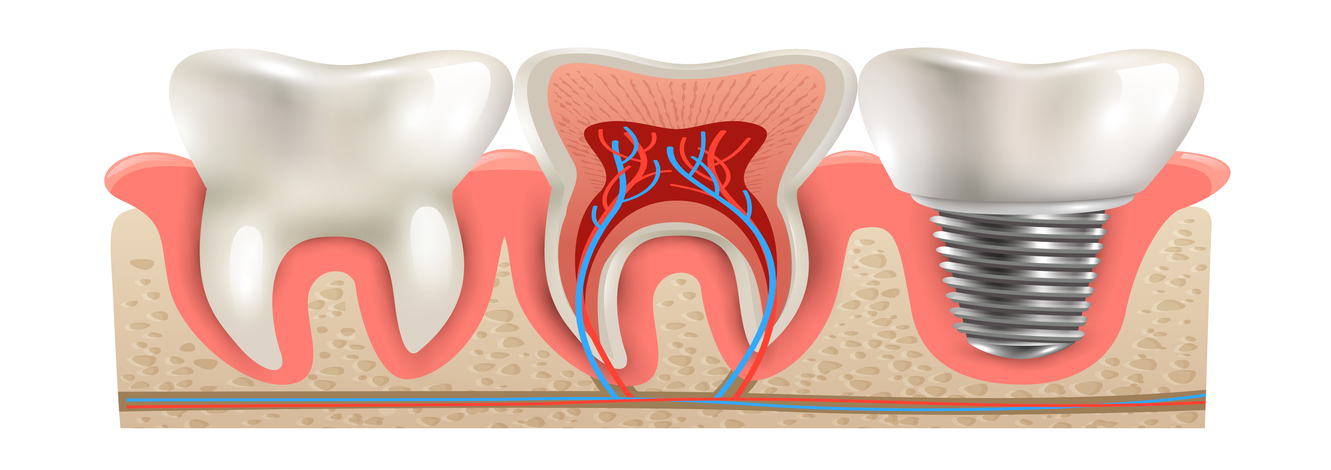
A root canal is a dental procedure designed to remove infected or damaged pulp from the inside of a tooth. The pulp is the soft tissue containing nerves and blood vessels. When it becomes infected due to deep decay, cracks, or trauma, it must be carefully cleaned, disinfected, and sealed to save the tooth. Contrary to popular belief, modern root canal treatment is no more uncomfortable than getting a routine filling-and it brings considerable relief.

Top Signs You May Need a Root Canal

1. Persistent or Severe Tooth Pain

One of the most common reasons patients seek a root canal is unrelenting tooth pain. If you feel deep pain that comes and goes-or stays constant-especially when biting or chewing, do not dismiss it. This type of pain often indicates that the nerve inside the tooth is inflamed or infected and needs immediate professional attention.


2. Prolonged Sensitivity to Hot or Cold

It is normal to feel a brief twinge of sensitivity when you drink something cold or hot. However, if that sensitivity lingers for several seconds or minutes after the stimulus is removed, it could be a sign that the tooth pulp is damaged. Prolonged sensitivity is a strong indicator that the tooth may require root canal treatment to prevent the infection from spreading.


3. Swollen or Tender Gums

Swollen, tender, or raised gum tissue near a specific tooth is not just a sign of gum disease-it can also signal a deeper infection. If you notice a small pimple-like bump (called a dental abscess or sinus tract) on your gums, this is a warning sign that bacteria have reached the root of the tooth and may be draining through the tissue. This situation calls for prompt evaluation.


4. Tooth Discolouration

A tooth that has turned grey, dark yellow, or brownish-especially without any obvious trauma-may have a dying or dead pulp inside. When the blood supply to the pulp is compromised, the tooth begins to discolour from the inside out. If you notice one tooth looking significantly different from the others, consult a dentist for a root canal consultation right away.


5. Cracked or Chipped Tooth

A crack or chip in the tooth may seem like a minor cosmetic issue, but it can allow bacteria to enter the inner pulp chamber. Even if you do not feel pain initially, bacteria can gradually infect the nerve tissue, eventually requiring a root canal. Getting a cracked tooth checked promptly can prevent the situation from escalating.


6. Deep Decay or Large Cavity

When tooth decay progresses deep enough to reach the pulp, a simple filling is no longer sufficient. Deep cavities left untreated can become gateways for infection into the tooth’s core. If your dentist identifies extensive decay on an X-ray or during an examination, they may recommend root canal treatment to fully clean and seal the tooth before placing a crown.

Why Delaying a Root Canal Is Risky

makes things worse. Here is what can happen when you delay treatment:

  • The infection can spread to surrounding teeth, gums, and jawbone.
  • A dental abscess may form, which can cause severe pain and swelling.
  • In serious cases, infection from an untreated tooth can enter the bloodstream.
  • You may ultimately lose the tooth entirely, requiring a costlier replacement such as a dental implant or bridge.


Early intervention with a root canal can preserve your natural tooth, eliminate infection, relieve pain, and prevent far more complicated and expensive treatments in the future.

What to Expect During Root Canal Treatment

Modern root canal treatment is a highly comfortable and efficient procedure. With local anaesthesia, most patients feel little to no discomfort during the treatment. The steps typically involve:

  • A thorough examination and X-ray to assess the extent of infection.
  • Local anaesthesia to numb the tooth and surrounding area.
  • Removal of infected pulp tissue from the root canals.
  • Cleaning, shaping, and disinfecting the canals.
  • Sealing the canals with a biocompatible material.
  • Placing a dental crown to restore the tooth’s function and appearance.


Recovery is typically straightforward, with mild soreness for a day or two that can be managed with over-the-counter pain relief.

Schedule Your Root Canal Consultation in Bandra Today

Do not wait for a toothache to become unbearable. If you have noticed any of the warning signs discussed above, the best thing you can do is act quickly. A timely root canal consultation could be the difference between saving and losing your tooth.

Our experienced dental team is committed to providing gentle, effective root canal treatment in Bandra using the latest techniques and technology. We understand dental anxiety is real, and we go above and beyond to ensure your comfort throughout the process.

Your smile is worth saving. Book your appointment today and let us help you stay pain-free.

Conclusion

A root canal is not something to fear-it is one of the most effective ways to relieve dental pain and preserve your natural tooth. Recognising early warning signs such as persistent pain, temperature sensitivity, swollen gums, or tooth discolouration gives you the best chance of a simple, successful recovery. The longer you wait, the more complex the treatment may become.

If any of these symptoms sound familiar, reach out for a root canal consultation and take the first step toward lasting dental health.

Ready to Start?

Book your consultation with the best dentist in Mumbai – and make your oral health a priority that pays off every day.
Missing Teeth? How Dental Bridges Restore Function & Confidence

Posted on: February 17th, 2026 by onestopdental-xenia

Missing Teeth? How Dental Bridges Restore Function & Confidence

Missing teeth affect more than appearance-they impact eating, speech, and oral health. Dental bridges offer an effective solution to restore function and confidence. At 1 Stop Dental Clinic, our crown and bridge treatment provides natural-looking, long-lasting results.

What Are Dental Bridges?

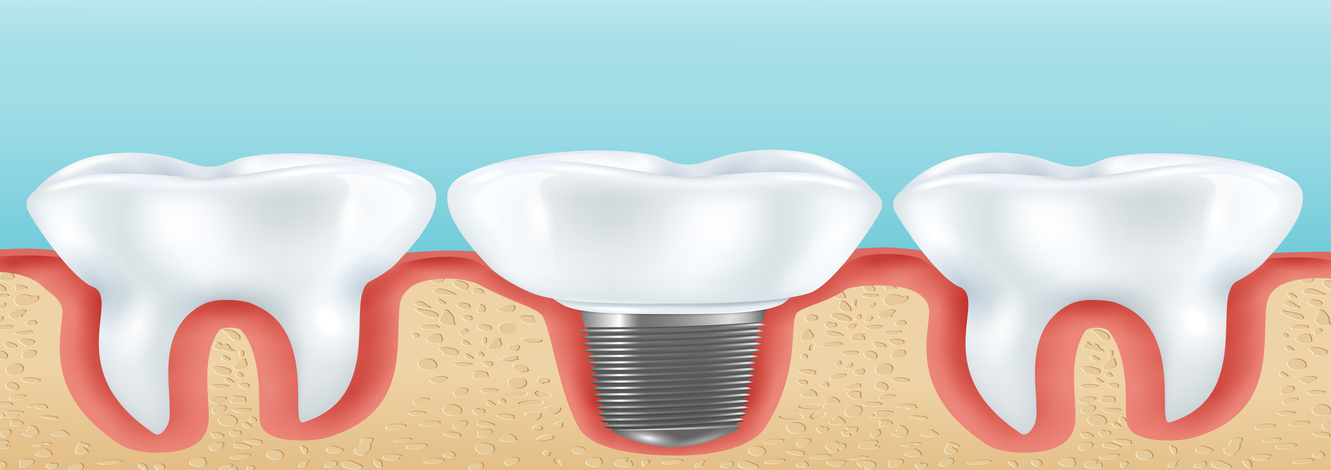
A dental bridge is a fixed prosthetic device that replaces missing teeth. It consists of artificial teeth (pontics) anchored by

Dental crowns placed on adjacent natural teeth or implants. Unlike removable dentures, bridges are permanently cemented for stable, natural-feeling results.

Why Do You Need a Dental Bridge?

Missing teeth can lead to several oral health complications if left untreated. A dental bridge may be recommended if you:

  • Have one or more missing teeth creating visible gaps in your smile
  • Experience difficulty chewing or speaking properly
  • Notice adjacent teeth beginning to shift or tilt into empty spaces
  • Want to maintain proper bite alignment and prevent jaw problems
  • Seek to restore facial structure and prevent the sunken appearance that missing teeth can cause

By filling the gap left by missing teeth, dental bridges help restore normal function and prevent the complications associated with tooth loss.

How Dental Bridges Work

The procedure typically requires two visits. First, adjacent teeth are prepared and impressions taken. A temporary bridge protects your teeth while the permanent one is crafted. During the second visit, the custom bridge is fitted, adjusted, and permanently cemented for optimal comfort and alignment.

Types of Dental Bridges

At 1 Stop Dental Clinic, we offer several types of dental bridges to suit different needs:

Traditional Bridges

The most common type, traditional bridges use dental crowns on both sides of the gap to support the artificial teeth in between. These are ideal when you have natural teeth on both sides of the missing tooth.

Cantilever Bridges

Used when natural teeth are present on only one side of the gap, cantilever bridges are supported by a single crown. These are less common and typically used in areas of the mouth with less chewing pressure.

Implant-Supported Bridges

For patients missing multiple consecutive teeth, implant-supported bridges offer the strongest and most durable solution. These bridges are anchored by dental implants rather than natural teeth, preserving the surrounding tooth structure.


Benefits of Dental Bridges

Dental bridges provide numerous advantages for patients dealing with tooth loss:

Restored Chewing Function: Eat your favorite foods comfortably without pain or difficulty.

Improved Speech: Fill gaps that may cause slurred or unclear speech.

Natural Appearance: Modern materials create bridges that blend seamlessly with your natural teeth.

Prevent Tooth Movement: Keep remaining teeth properly aligned and prevent shifting.

Maintain Facial Structure: Support your facial muscles and prevent the sunken look associated with missing teeth.

Boost Confidence: Smile freely without feeling self-conscious about gaps in your teeth.


Materials Used in Dental Bridges

Our crown and bridge treatment utilizes high-quality materials chosen based on your specific needs, budget, and aesthetic preferences:

Porcelain or Ceramic: Offers the most natural appearance, ideal for front teeth where aesthetics are paramount.

Zirconia: Extremely strong and durable, suitable for both front and back teeth with excellent aesthetics.

Porcelain-Fused-to-Metal: Combines strength with aesthetics, providing durability for back teeth while maintaining a natural look.

Your dentist will recommend the most appropriate material based on the location of the missing tooth, your bite pattern, and cosmetic considerations.


Caring for Your Dental Bridge

With proper care, bridges last 10-15 years or longer. Maintain them by brushing twice daily, flossing with special threaders, visiting your dentist regularly, avoiding hard foods, and using a mouth guard if you grind your teeth. Regular check-ups allow early detection of any issues.

Why Choose 1 Stop Dental Clinic for Your Dental Bridge Treatment?

At 1 Stop Dental Clinic, we combine expertise with compassionate care. Our experienced team uses advanced technology and premium materials to create natural-looking, comfortable bridges. We assess your unique needs and create personalized treatment plans, whether you need dental crowns in Mumbai or complete restoration.

Schedule Your Consultation Today

Don’t let missing teeth hold you back. Dental bridges can restore your eating, speaking, and smiling confidence. Contact 1 Stop Dental Clinic today to discover how our crown and bridge treatment in Bandra can transform your smile and quality of life.

Ready to Start?

Book your consultation with the best dentist in Mumbai – and make your oral health a priority that pays off every day.

Tooth Extraction: When Is Removing a Tooth Necessary?

Posted on: February 3rd, 2026 by shweta bade

Tooth Extraction: When Is Removing a Tooth Necessary?

tooth extraction

The idea of a tooth extraction can be concerning for many patients. However, removing a tooth is sometimes the best option to protect your overall oral health and prevent further complications.

At 1 Stop Dental Clinic, we focus on preserving natural teeth whenever possible. Tooth extraction is recommended only when a tooth cannot be saved safely or effectively. This blog explains when tooth extraction is necessary, common reasons for removal, and what patients can expect.

What Is Tooth Extraction?

Tooth extraction is the removal of a tooth from its socket in the jawbone. It may be a simple extraction, performed on a visible tooth, or a surgical extraction, required when the tooth is impacted, broken, or not fully erupted.

When Is Tooth Extraction Necessary?

A dentist may recommend tooth extraction in the following situations:

  1. Severe Tooth Decay or Infection

When decay or infection has damaged the tooth beyond repair and root canal treatment is no longer a viable option, extraction may be necessary to stop the spread of infection.

  1. Advanced Gum Disease

Severe periodontal disease can weaken the supporting bone and tissues around a tooth. If the tooth becomes loose and cannot be stabilized, removal may be required to protect surrounding teeth.

  1. Impacted Wisdom Teeth

Wisdom teeth that do not erupt properly can cause pain, swelling, infection, or damage to nearby teeth. Wisdom tooth extraction is commonly recommended in such cases.

  1. Broken or Fractured Teeth

Teeth that are badly fractured below the gum line or split vertically may not be restorable with crowns or other treatments, making extraction the safest option.

  1. Overcrowding or Orthodontic Treatment

In some cases, tooth extraction is advised to create space for proper alignment during orthodontic treatment, such as braces or clear aligners.

  1. Trauma or Injury

Dental trauma from accidents or injuries may severely damage a tooth, requiring extraction if restoration is not possible.

Simple vs Surgical Tooth Extraction

  • Simple Extraction: Performed on teeth that are visible and easily accessible. Usually done under local anaesthesia.
  • Surgical Extraction: Required for impacted, broken, or partially erupted teeth. This procedure may involve a small incision in the gum.

Your dentist will determine the appropriate approach based on your condition.

Does Tooth Extraction Hurt?

Modern dental techniques and effective local anaesthesia ensure that tooth extraction is a comfortable procedure. You may feel pressure during the extraction, but pain is minimized. Mild discomfort after the procedure is normal and manageable with medication.

What to Expect After Tooth Extraction

After a tooth extraction, proper care is essential for healing. Patients are usually advised to:

  • Avoid chewing on the extraction site
  • Follow oral hygiene instructions carefully
  • Avoid smoking or using straws for a few days
  • Attend follow-up appointments if advised

Healing time varies depending on the type of extraction and individual factors.

What Are Your Options After Tooth Extraction?

Replacing a missing tooth helps maintain bite alignment and oral function. Common options include:

  • Dental bridges
  • Dental implants
  • Partial dentures

Your dentist will recommend the most suitable replacement option based on your oral health needs.

Expert Tooth Extraction at 1 Stop Dental Clinic

At 1 Stop Dental Clinic Bandra, tooth extraction is performed with a patient-first approach, ensuring safety, comfort, and proper post-treatment guidance. Our experienced dental team carefully evaluates every case to determine whether extraction is truly necessary.

If you’re experiencing persistent tooth pain, swelling, or infection, timely consultation can help prevent further complications.

Schedule a Consultation

Visit 1 Stop Dental Clinic Bandra for a comprehensive dental evaluation and expert guidance on whether tooth extraction or an alternative treatment is right for you.

Ready to Start?

Book your consultation with the best dentist in Mumbai – and make your oral health a priority that pays off every day.

Is Root Canal Painful? Myths vs Facts You Should Know

Posted on: January 30th, 2026 by shweta bade

Is Root Canal Painful? Myths vs Facts You Should Know

root canal

If you’ve been advised a root canal treatment, chances are the first thought that crossed your mind was pain. Root canals have long carried an unfair reputation for being extremely painful – largely due to outdated information and myths.

At 1 Stop Dental Clinic Bandra, we believe informed patients feel more confident about their treatment decisions. Let’s break down the most common root canal myths vs facts and help you understand what the procedure is really like today.

What Is a Root Canal Treatment?

A root canal treatment is a dental procedure used to save a tooth that is infected or severely decayed. During the procedure, the infected pulp inside the tooth is removed, the canals are cleaned and disinfected, and the tooth is sealed to prevent further infection.

Modern root canal treatments focus on pain relief, not pain creation.

Myth 1: Root Canal Treatment Is Extremely Painful

Fact: Root canal treatment is designed to relieve pain, not cause it.

With advanced technology, precise techniques, and effective local anaesthesia, most patients report that getting a root canal feels similar to having a routine filling. The pain people associate with root canals usually comes from the infection, not the treatment itself.

At 1 Stop Dental Clinic, we prioritize patient comfort at every step of the procedure.

Myth 2: It’s Better to Pull the Tooth Than Get a Root Canal

Fact: Saving your natural tooth is almost always the better option.

A root canal allows you to preserve your natural tooth structure, maintain proper chewing function, and prevent surrounding teeth from shifting. Tooth extraction should only be considered when a tooth cannot be saved.

In many cases, a root canal followed by a dental crown provides long-term strength and stability.

Myth 3: Root Canal Pain Lasts for Many Days

Fact: Mild discomfort after a root canal is normal – severe pain is not.

Some patients may experience slight tenderness for a day or two, especially if there was significant infection before treatment. This discomfort is usually manageable with prescribed or over-the-counter pain medication.

Persistent or worsening pain is uncommon and should be evaluated by your dentist.

Myth 4: Root Canals Take Multiple Painful Appointments

Fact: Many root canal treatments are completed in one or two comfortable visits.

Thanks to modern dental equipment and improved techniques, root canal procedures are more efficient than ever. Your dentist will evaluate the complexity of your case and plan the treatment accordingly.

Myth 5: Root Canal Treatment Causes Illness

Fact: Root canal treatment is safe and scientifically proven.

This myth is based on outdated research that has been thoroughly debunked. Root canal treatments eliminate infection from the tooth and help protect your overall oral and general health.

What Does a Root Canal Really Feel Like?

During the procedure:

  • The area is fully numbed using local anaesthesia
  • You may feel pressure, but not pain
  • The infected tissue is carefully removed

After the procedure:

  • Mild soreness may occur for a short time
  • Normal activities can usually be resumed the same or next day

Most patients are surprised by how comfortable the experience actually is.

When Should You Consider a Root Canal?

You may need a root canal treatment if you experience:

  • Persistent toothache or sensitivity
  • Pain while chewing or biting
  • Swelling or tenderness around the gums
  • Darkening or discoloration of a tooth

Early treatment helps prevent complications and reduces discomfort.

Gentle and Painless Root Canal Treatment at 1 Stop Dental Clinic

At 1 Stop Dental Clinic Bandra, we combine advanced dental technology with a patient-first approach to deliver safe, precise, and comfortable root canal treatment. Our experienced dental team ensures that your procedure is as stress-free and painless as possible.

If you’re experiencing tooth pain or have been advised a root canal, don’t let myths hold you back. Timely treatment can save your tooth and relieve discomfort.

Book Your Consultation Today

Get clarity, comfort, and expert care under one roof. Schedule your consultation at 1 Stop Dental Clinic and take the first step toward a pain-free, healthy smile.

Ready to Start?

Book your consultation with the best dentist in Mumbai – and make your oral health a priority that pays off every day.
Dental Crowns and Bridges: What’s the Difference and Who Needs Them?

Posted on: January 29th, 2026 by shweta bade

Dental Crowns and Bridges: What’s the Difference and Who Needs Them?

Dental crowns and bridges

If you have a damaged, weakened, or missing tooth, your dentist may recommend dental crowns or dental bridges to restore your smile. While both treatments improve function and appearance, they serve different purposes.

At 1 Stop Dental Clinic Bandra, we believe patients make better decisions when they understand their treatment options. This guide explains the difference between dental crowns and bridges, who needs them, and how they help restore oral health.

What Are Dental Crowns?

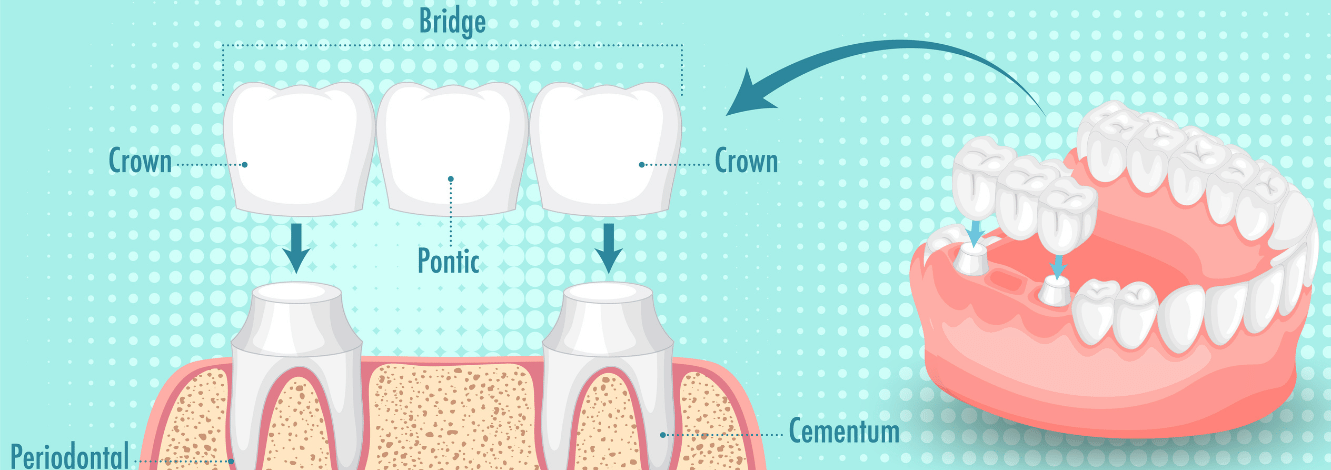
A dental crown is a tooth-shaped cap placed over a damaged or weakened tooth to restore its strength, shape, and appearance. It fully covers the visible portion of the tooth above the gum line.

When Is a Dental Crown Needed?

A dental crown may be recommended if you have:

  • A tooth weakened by decay or fracture
  • A tooth treated with root canal treatment
  • A cracked or worn-down tooth
  • A large filling that weakens the remaining tooth structure
  • A misshapen or discolored tooth needing cosmetic improvement

Dental crowns help protect the tooth and allow you to chew comfortably again.

What Are Dental Bridges?

A dental bridge is used to replace one or more missing teeth. It consists of artificial teeth (pontics) supported by crowns placed on the neighbouring natural teeth or dental implants.

When Is a Dental Bridge Needed?

A dental bridge may be advised if you:

  • Have one or more missing teeth
  • Experience difficulty chewing due to gaps
  • Want to prevent adjacent teeth from shifting
  • Wish to restore facial structure and smile balance

Dental bridges restore both function and aesthetics by filling the gap left by missing teeth.


Dental Crowns vs Dental Bridges: Key Differences

 Feature

 Dental Crown

 Dental Bridge

Purpose

 Covers and protects a damaged tooth

 Replaces one or more missing teeth

Placement

 On a single existing tooth

 Anchored to adjacent teeth or implants

Tooth Removal

 No missing tooth required

 Used when a tooth is missing

Longevity

 Long-lasting with proper care

 Durable with good oral hygiene


Understanding these differences helps you choose the right restorative dental treatment.

Types of Dental Crowns and Bridges

Both crowns and bridges are available in different materials, including:

  • Ceramic or porcelain (natural-looking aesthetics)
  • Zirconia (high strength and durability)
  • Metal or porcelain-fused-to-metal (long-lasting support)

Your dentist will recommend the most suitable option based on function, appearance, and bite.

How Long Do Dental Crowns and Bridges Last?

With proper oral hygiene and regular dental check-ups, dental crowns and bridges can last many years. Brushing, flossing, and avoiding habits like teeth grinding help extend their lifespan.

Which Option Is Right for You?

Choosing between a dental crown and a dental bridge depends on:

  • Whether the tooth is damaged or missing
  • The health of surrounding teeth
  • Bite alignment and chewing needs
  • Long-term oral health goals

A thorough dental examination is essential to determine the best treatment plan.

Expert Dental Crown and Bridge Treatment at 1 Stop Dental Clinic

At 1 Stop Dental Clinic Bandra, we offer personalized solutions for dental crowns and bridges using advanced techniques and high-quality materials. Our goal is to restore your smile while maintaining comfort, function, and long-term oral health.

If you have a broken, weakened, or missing tooth, timely treatment can prevent further complications.

Why Choose 1 Stop Dental Clinic for a Smile Makeover

At 1 Stop Dental Clinic, cosmetic dentistry is approached with precision and personalized care. Every treatment plan is designed based on individual needs, dental condition, and aesthetic goals.

Why patients choose the clinic:

  • Expertise in cosmetic and restorative dentistry
  • Use of advanced digital and laser technology
  • Personalized smile design approach
  • Patient-focused, comfortable care

From subtle enhancements to complete smile transformations, every treatment is carefully planned.

Schedule a Consultation

Consult the experienced team at 1 Stop Dental Clinic Bandra to understand whether a dental crown or dental bridge is the right solution for your smile restoration needs.

Ready to Start?

Book your consultation with the best dentist in Mumbai – and make your oral health a priority that pays off every day.

Advancements in Cosmetic Dentistry: What’s New in Smile Makeovers

Posted on: January 12th, 2026 by shweta bade

Advancements in Cosmetic Dentistry: What’s New in Smile Makeovers

cosmetic dentistry

A beautiful smile has the power to boost confidence, create lasting impressions, and enhance overall appearance. With advancements in technology, cosmetic dentistry has evolved far beyond basic teeth whitening or traditional braces. Today, it blends science, artistry, and digital precision to deliver natural-looking, confident smiles.

At 1 Stop Dental Clinic, modern cosmetic dentistry solutions are used to help patients achieve smiles that look balanced, healthy, and personalized. Here’s how the latest advancements are redefining smile makeovers.

Understanding Modern Cosmetic Dentistry

Cosmetic dentistry focuses on improving the appearance of your smile while maintaining proper dental health and function. Treatments address concerns such as stained, chipped, misaligned, or missing teeth.

According to the doctors at 1 Stop Dental Clinic, the objective is not just aesthetics but also harmony, comfort, and confidence. Modern cosmetic procedures are designed to be more precise, efficient, and minimally invasive.

1. Digital Smile Design (DSD)

Digital Smile Design is one of the most impactful advancements in cosmetic dentistry. Using digital planning tools, the dentist creates a visual smile plan that aligns with the patient’s facial features and dental structure before treatment begins.

Key benefits include:

  • Smile planning based on facial proportions
  • Visualization of the expected outcome
  • Improved accuracy and predictable results

At 1 Stop Dental Clinic, patients appreciate being involved in the smile design process and understanding their treatment plan clearly.

2. Laser and LED Teeth Whitening

Teeth whitening continues to be one of the most popular cosmetic dental treatments. Modern laser and LED-assisted whitening techniques effectively reduce stains while maintaining tooth safety.

Advantages include:

  • Faster treatment sessions
  • Reduced sensitivity
  • Noticeably brighter teeth in fewer visits

Customized take-home whitening options are also available for patients seeking gradual improvement.

3. Porcelain Veneers and Composite Bonding

Porcelain veneers are designed to correct discoloration, gaps, chips, and uneven teeth. They are crafted to blend naturally with surrounding teeth, enhancing overall smile appearance.

For smaller cosmetic corrections, composite bonding offers a conservative and efficient option by reshaping teeth with tooth-colored material.

At 1 Stop Dental Clinic, each veneer or bonding procedure is planned to complement the patient’s facial features and smile structure.

4. Invisalign and Clear Aligners

Clear aligners, including Invisalign, have transformed orthodontic treatment. These transparent trays gradually align teeth without the visibility of metal braces.

Benefits include:

  • Discreet appearance
  • Removable design for comfort and hygiene
  • Gradual, controlled tooth movement

Customized aligner treatment plans are available for both adults and teenagers at the clinic.

5. Dental Implants and Full-Mouth Rehabilitation

Dental implants are a reliable solution for replacing missing teeth, restoring both function and appearance. Modern implant techniques focus on precision and long-term stability.

Advancements include:

  • Digitally guided implant placement
  • Improved materials for durability and aesthetics
  • Structured planning for complex cases

For patients requiring extensive treatment, full-mouth rehabilitation combines multiple restorative procedures to rebuild the smile.

6. Laser Dentistry – Precision and Comfort

Laser dentistry has enhanced both cosmetic and restorative procedures by improving precision and patient comfort. Lasers are used for gum contouring and other cosmetic enhancements.

Advantages include:

  • Reduced discomfort
  • Minimal bleeding and swelling
  • Faster healing time

At 1 Stop Dental Clinic, laser technology supports accurate and comfortable cosmetic treatments.

7. 3D Imaging and Digital Planning

Advanced 3D imaging allows for detailed analysis of teeth, gums, and facial structure. This technology helps in planning cosmetic treatments with greater accuracy.

Benefits include:

  • Digitally planned procedures
  • Custom-fit restorations
  • Improved treatment predictability

Digital planning ensures results that look natural and well-balanced.

8. Minimally Invasive Cosmetic Treatments

Modern cosmetic dentistry emphasizes preserving natural tooth structure. Procedures such as enamel contouring, bonding, and micro-veneers require minimal alteration of teeth while enhancing aesthetics.

This conservative approach supports long-term dental health while improving smile appearance.

Why Choose 1 Stop Dental Clinic for a Smile Makeover

At 1 Stop Dental Clinic, cosmetic dentistry is approached with precision and personalized care. Every treatment plan is designed based on individual needs, dental condition, and aesthetic goals.

Why patients choose the clinic:

  • Expertise in cosmetic and restorative dentistry
  • Use of advanced digital and laser technology
  • Personalized smile design approach
  • Patient-focused, comfortable care

From subtle enhancements to complete smile transformations, every treatment is carefully planned.

The Emotional Impact of a Beautiful Smile

A confident smile can positively influence self-esteem, social interactions, and professional confidence. Many patients experience a renewed sense of comfort and confidence after completing their smile makeover.

As often shared at the clinic, a confident smile can make everyday interactions more positive.

Conclusion

Cosmetic dentistry continues to evolve with advancements in digital planning, clear aligners, veneers, implants, and laser treatments. These innovations allow for safer, more precise, and natural-looking smile makeovers.

If you’re considering improving your smile, schedule a consultation at 1 Stop Dental Clinic, a trusted dental clinic in Bandra and Mumbai. With modern technology and personalized care, achieving a healthy, confident smile is now more accessible than ever.

Ready to Start?

Book your consultation with the best dentist in Mumbai – and make your oral health a priority that pays off every day.

The Role of Nutrition in Oral Health: Foods That Promote Strong Teeth

Posted on: December 10th, 2025 by shweta bade

The Role of Nutrition in Oral Health: Foods That Promote Strong Teeth

maintain oral health at 1stop dental clinic bandra

Your smile is a reflection of more than just good brushing habits – it’s a mirror of what you eat every day. While regular dental check-ups and proper oral hygiene play key roles, your diet directly influences the strength of your teeth and gums. A nutrient-rich diet supports enamel health, reduces the risk of cavities, and promotes healthy gums. At 1 Stop Dental Clinic, one of the best dental clinic  in Bandra & Mumbai, we emphasize that “your mouth is the first gateway to good nutrition and overall health.”

How Nutrition Affects Oral Health

Every food and drink you consume can have a positive or negative impact on your oral health. Sugary and acidic foods encourage bacterial growth, leading to cavities and enamel erosion. Conversely, foods rich in vitamins and minerals strengthen your teeth and fight infection.

The connection between nutrition and oral health is deeply rooted:

  • Calcium strengthens tooth enamel.
  • Vitamin D helps the body absorb calcium effectively.
  • Phosphorus repairs tooth enamel and supports jawbone strength.
  • Vitamin C promotes healthy gums and prevents inflammation.
  • Antioxidants reduce bacterial buildup and promote healing.

A balanced diet ensures that your teeth stay strong, your gums stay firm, and your smile stays bright.

Essential Nutrients for Strong Teeth and Gums

    1. Calcium – The Building Block of Teeth

    Calcium is one of the most vital minerals for maintaining enamel integrity. It protects against tooth decay and supports jawbone density.
    Best Sources: Milk, cheese, yogurt, almonds, tofu, and leafy greens like kale and spinach.

    Tip: Pair calcium-rich foods with vitamin D sources for maximum absorption.

    1. Vitamin D – The Calcium Partner

    Even with enough calcium, your body needs vitamin D to absorb it efficiently. A deficiency can lead to weaker teeth and bones.
    Best Sources: Sunlight, egg yolks, fatty fish (salmon, mackerel), and fortified milk.

    At 1 Stop Dental Clinic, Doctors often remind patients that 15–20 minutes of daily sun exposure can do wonders for both oral and overall health.

    1. Phosphorus – The Enamel Repairer

    Phosphorus helps in rebuilding and maintaining tooth enamel, especially after acid attacks from food and drinks.
    Best Sources: Fish, poultry, eggs, dairy products, and nuts.

    It works hand-in-hand with calcium to keep your teeth strong and protected.

    1. Vitamin C – The Gum Protector

    Vitamin C strengthens gum tissues and helps prevent gum disease. Without enough of it, your gums can become inflamed or bleed easily.
    Best Sources: Citrus fruits, strawberries, kiwi, tomatoes, and bell peppers.

    Pro Tip: Rinse your mouth after eating acidic fruits to protect enamel from erosion.

    1. Water – The Natural Cleanser

    Water keeps your mouth hydrated, washes away food particles, and neutralizes acids. Drinking fluoridated water also strengthens tooth enamel and prevents cavities.
    Best Practice: Sip water after every meal or snack to maintain a neutral oral pH.

Foods That Promote Oral Health

  1. Dairy Products: Yogurt, milk, and cheese are rich in calcium and phosphorus, protecting enamel and stimulating saliva production.
  2. Crunchy Fruits & Veggies: Apples, carrots, and celery naturally scrub the teeth and increase saliva flow, which helps clean the mouth.
  3. Leafy Greens: Spinach and kale are nutrient-dense and packed with calcium and folic acid for gum health.
  4. Nuts & Seeds: Almonds and sesame seeds are rich in minerals that remineralize enamel.
  5. Green Tea: Contains polyphenols that kill bacteria and reduce plaque buildup.
  6. Fish & Eggs: Excellent sources of vitamin D and phosphorus.
  7. Whole Grains: High in fiber, which keeps blood sugar levels stable and reduces gum inflammation.

Incorporating these foods daily can drastically reduce your risk of decay and gum disease.

Foods & Habits to Avoid for Better Oral Health

Maintaining strong teeth isn’t just about what you eat – it’s also about what you avoid.
🚫 Sugary Foods & Drinks: Candies, sodas, and desserts feed harmful bacteria.
🚫 Sticky Snacks: Dried fruits and caramel can cling to teeth and cause decay.
🚫 Acidic Beverages: Frequent consumption of citrus juices, wine, or carbonated drinks erodes enamel.
🚫 Smoking & Tobacco: Major contributors to gum disease and oral cancer.

Replacing these with healthier alternatives helps you protect your smile in the long run.

The Link Between Nutrition and Oral Hygiene

Diet and oral hygiene go hand in hand. Even with a perfect diet, skipping brushing or flossing can lead to plaque accumulation. Similarly, brushing twice a day won’t help much if your diet is full of sugar and acid.

At 1 Stop Dental Clinic, our expert orthodontists educate patients on a holistic approach: combining balanced nutrition, good oral hygiene, and regular dental check-ups for long-term results.

Here’s how you can balance both:

  • Brush twice daily using fluoride toothpaste.
  • Floss once a day to remove food between teeth.
  • Rinse with mouthwash after meals.
  • Visit your dentist every six months.

Why Choose 1 Stop Dental Clinic for Preventive Dental Care

Located in Bandra, 1 Stop Dental Clinic offers comprehensive dental care that integrates preventive, restorative, and nutritional guidance.

From preventive cleanings and fluoride treatments to advanced cosmetic and implant dentistry, the clinic focuses on long-term oral wellness rather than just temporary fixes.

Conclusion

A healthy smile begins with mindful eating. The right nutrition strengthens your teeth, supports your gums, and complements your oral hygiene routine. While calcium and vitamins build the foundation, regular professional check-ups ensure your teeth stay in top shape.

For expert guidance on maintaining oral health and a balanced smile, schedule a visit to 1 Stop Dental Clinic, the best dental clinic in Bandra & Mumbai.

Because what you eat today can decide how brightly your smile shines tomorrow.

Ready to Start?

Book your consultation with the best dentist in Mumbai – and make your oral health a priority that pays off every day.

How to Maintain Oral Hygiene with Braces

Posted on: November 28th, 2025 by shweta bade

How to Maintain Oral Hygiene with Braces

oral hygiene

Getting braces is an exciting step toward achieving a perfectly aligned smile, but it also comes with new responsibilities. Braces make cleaning your teeth more challenging because food particles can easily get trapped between wires and brackets. Without proper care, this can lead to cavities, bad breath, or even gum problems.

At 1 Stop Dental Clinic, one of the best dental clinics in Bandra & Mumbai, we emphasize that maintaining good oral hygiene with braces is essential for ensuring both healthy teeth and successful orthodontic results. With the right techniques and tools, keeping your teeth clean during your braces journey is simpler than you think.

Why Oral Hygiene Is So Important During Orthodontic Treatment

Braces create small spaces where plaque and bacteria can accumulate. If not cleaned properly, these can cause:

  • Tooth Decay: Plaque buildup leads to white spots and cavities around the brackets.
  • Gum Inflammation: Food debris can irritate the gums, causing swelling or bleeding.
  • Bad Breath: Bacteria trapped in hard-to-clean areas produce unpleasant odors.
  • Delayed Treatment: Poor hygiene can prolong your treatment time.

Proper brushing, flossing, and regular dental visits keep your teeth healthy and your braces free from buildup.

Step-by-Step Guide to Oral Hygiene with Braces

  1. Brush After Every Meal

Brushing after meals removes food particles stuck between brackets and wires. Use a soft-bristled toothbrush or an orthodontic brush designed for braces.
Pro Tip: Angle your toothbrush at 45 degrees both above and below the brackets for effective cleaning.

The doctor recommends brushing for at least two minutes each time to ensure every surface is clean.

  1. Use an Interdental Brush or Proxabrush

Regular brushes can’t reach between wires, but interdental brushes can. These small, cone-shaped brushes clean around brackets and under wires effectively.
At 1 Stop Dental Clinic, Bandra, patients are guided on how to use these tools safely to prevent wire damage.

  1. Don’t Skip Flossing

Flossing may seem difficult with braces, but it’s crucial for cleaning between teeth where a brush can’t reach. Use orthodontic floss threaders or water flossers to make the process easier.
Daily flossing helps prevent gum inflammation and keeps your teeth spotless throughout treatment.

  1. Rinse with Mouthwash

Using an antibacterial or fluoride mouthwash helps kill bacteria, reduce plaque buildup, and strengthen enamel. Swish for at least 30 seconds after brushing and flossing.
Mouthwash also freshens breath-a must-have during your braces journey.

  1. Eat Braces-Friendly Foods

What you eat impacts your braces and your oral hygiene. Avoid sticky, hard, or chewy foods that can bend wires or break brackets.
Foods to Avoid: Caramel, popcorn, chewing gum, nuts, and hard candy.
Foods to Enjoy: Soft fruits, steamed veggies, rice, yogurt, pasta, and cheese.

The doctor advises patients to maintain a balanced diet rich in calcium and vitamins to strengthen teeth during orthodontic treatment.

The Role of Regular Dental Check-ups

Even with excellent home care, regular professional check-ups are vital. During visits to 1 Stop Dental Clinic, your orthodontic progress is monitored, and professional cleaning removes stubborn plaque and tartar.

Why check-ups matter:

  • Early detection of potential problems
  • Adjustments to braces for proper alignment
  • Deep cleaning to prevent gum disease
  • Expert advice for maintaining oral hygiene

Routine dental visits every 4–6 weeks ensure that your treatment stays on track and your mouth stays healthy.

Using Fluoride to Protect Your Teeth

  1. Fluoride strengthens enamel and protects teeth from cavities—a must for anyone wearing braces. Use a fluoride toothpaste and rinse with a fluoride mouthwash daily.
    If you have early signs of white spots, Doctors may recommend professional fluoride treatments or sealants to strengthen enamel and prevent further demineralization.

Managing Common Braces-Related Issues

  1. Soreness or Irritation

When braces are first applied or tightened, you might feel soreness. Rinse with warm salt water or use orthodontic wax to reduce irritation.

  1. Broken Brackets or Wires

If a bracket comes loose, avoid touching it and schedule an appointment immediately.

  1. Food Trapped in Braces

Carry a small travel toothbrush or interdental brush to clean your teeth after meals, especially when eating out.

Regular hygiene and timely care prevent small issues from becoming major setbacks.

Combining Braces Care with Overall Oral Hygiene

Braces are temporary-but their results are permanent when paired with good hygiene habits. Follow this simple routine:

  1. Brush after every meal.
  2. Floss at least once a day.
  3. Rinse with mouthwash nightly.
  4. Keep up with dental check-ups every 6 months.
  5. Avoid sugary snacks and fizzy drinks.

Good habits developed during orthodontic treatment often continue long after braces are removed, ensuring lifelong oral health.

Why Choose 1 Stop Dental Clinic for Orthodontic & Preventive Care

At 1 Stop Dental Clinic, one of the best dental clinics in Bandra & Mumbai, we provide personalized orthodontic care using modern techniques and advanced hygiene practices. Whether you’re wearing metal braces, ceramic braces, or Invisalign aligners, the clinic ensures every patient receives complete guidance on cleaning, comfort, and care.

The clinic’s welcoming environment, sterilized equipment, and digital technology make dental visits efficient, safe, and comfortable-especially for young patients starting their braces journey.

Conclusion

Braces are a big step toward a beautiful, confident smile—but maintaining oral hygiene along the way is equally important. Regular cleaning, smart food choices, and professional dental care prevent stains, cavities, and gum issues during treatment.

Visit 1 Stop Dental Clinic, Bandra, for expert orthodontic and preventive dental care. With the right guidance and consistent hygiene, you’ll not only achieve a perfect smile but also keep it healthy for years to come

Ready to Start?

Book your consultation with the best dentist in Mumbai – and make your oral health a priority that pays off every day.
Understanding the Different Types of Dental Implants

Posted on: November 14th, 2025 by shweta bade

Understanding the Different Types of Dental Implants

Dental Implants at Bandra

A complete smile can make a world of difference—not just in appearance but in confidence and function. Missing teeth can affect how you eat, speak, and smile, while also impacting bone health. Thanks to modern dentistry, dental implants have become one of the most reliable and natural-looking tooth replacement options.

At 1 Stop Dental Clinic, Bandra we specialize in advanced implant treatments designed to restore smiles with precision, durability, and comfort.

What Are Dental Implants?

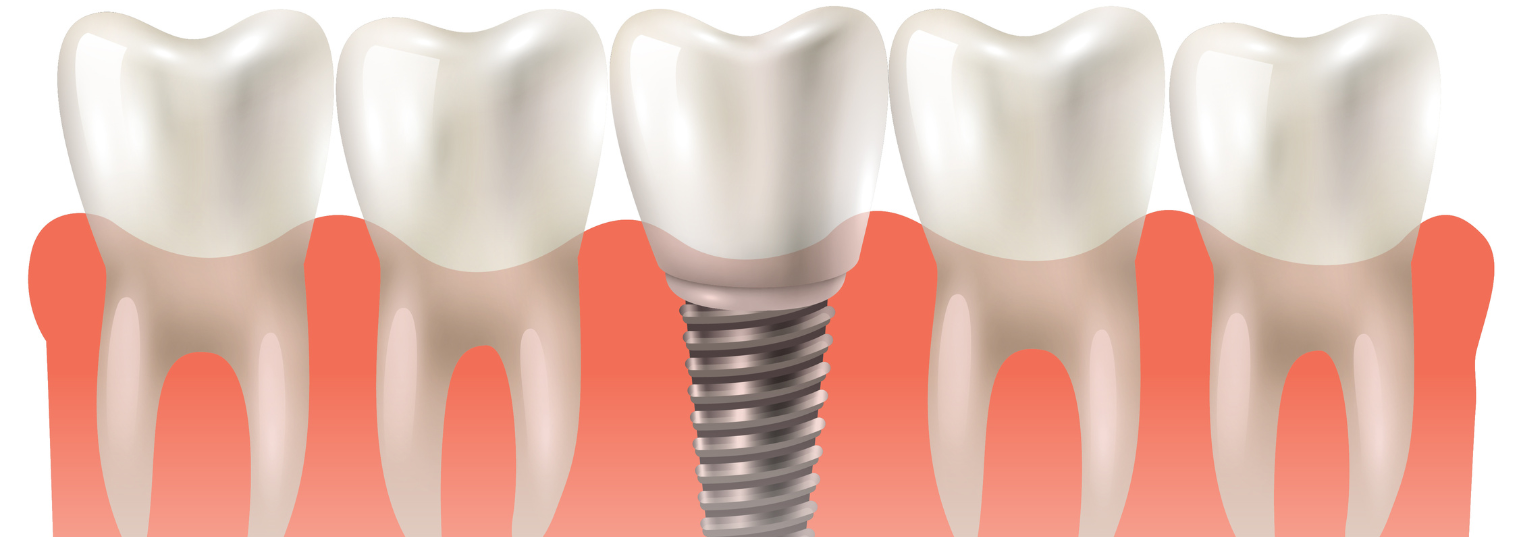
A dental implant is a titanium post that’s surgically placed into the jawbone to act as a replacement for the root of a missing tooth. Over time, it fuses with the bone through a process called osseointegration, creating a stable base for a crown, bridge, or denture.

Unlike removable dentures, implants feel and function like natural teeth. They prevent bone loss, preserve facial structure, and can last for decades with proper care. Because of these benefits, they’re often considered the gold standard in tooth replacement.

Why Choose Dental Implants?

Here are a few reasons why implants are one of the most recommended treatments at 1 Stop Dental Clinic:

  • Natural Look & Feel: Implants mimic the look and strength of real teeth.
  • Durability: With good hygiene, they can last 20 years or more.
  • Improved Speech & Comfort: No slipping or discomfort like traditional dentures.
  • Bone Preservation: Prevents jawbone shrinkage that often occurs after tooth loss.
  • Confidence Boost: Restores your smile and allows you to eat, laugh, and speak freely.

Types of Dental Implants

Choosing the right implant depends on your oral health, bone density, and personal goals. Let’s explore the different types available.

  1. Endosteal Implants (Most Common Type)

Endosteal implants are the most widely used type. They’re placed directly into the jawbone and serve as an artificial tooth root. Once the implant integrates with the bone, a crown or bridge is attached.
Ideal for: Patients with good bone health.
Advantages:

  • Long-lasting and stable
  • Provides a natural feel
  • High success rate

At 1 Stop Dental Clinic, endosteal implants are customized to match your natural teeth, ensuring both aesthetics and function.

  1. Subperiosteal Implants

These implants rest on top of the jawbone but beneath the gum tissue. They’re suitable for patients who don’t have enough bone density for endosteal implants and prefer not to undergo bone grafting.
Ideal for: Patients with minimal bone height.
Advantages:

  • Less invasive
  • Shorter healing time
  • Alternative for those who can’t have bone grafts
  1. Zygomatic Implants

Zygomatic implants are a specialized solution for patients who have lost significant bone mass in the upper jaw. Instead of being anchored in the jawbone, they’re placed into the cheekbone (zygoma), which is denser and provides strong support.
Ideal for: Patients with severe bone loss in the upper jaw.
Advantages:

  • Eliminates the need for bone grafting
  • Suitable for full-arch restorations
  • Provides immediate stability
    1. All-on-4® Implants (Full-Arch Restoration)

    The All-on-4® technique allows a full set of upper or lower teeth to be supported by just four implants. It’s a revolutionary option for patients missing multiple teeth or full arches.
    Ideal for: Full-mouth rehabilitation cases.
    Advantages:

    • Fewer implants required
    • Faster treatment and recovery
    • Cost-effective full-mouth restoration

    At 1 Stop Dental Clinic, patients appreciate the comfort and convenience of this modern solution.

The Dental Implant Procedure: Step by Step

  1. Consultation & Planning: A thorough examination, including digital X-rays or 3D scans, is conducted.
  2. Implant Placement: The titanium post is surgically inserted into the jawbone under local anesthesia.
  3. Healing Period (Osseointegration): Over the next few months, the implant fuses with the bone for stability.
  4. Abutment & Crown Placement: Once healed, a connector (abutment) and custom-made crown are attached.
  5. Follow-Up & Maintenance: Regular check-ups ensure longevity and function.

The entire process may take several months, but the result—a permanent, natural-looking smile—is worth the wait.

Caring for Your Dental Implants

Proper care ensures your implants last for decades. Follow these tips from our expert dentists:

  • Brush twice daily using a soft-bristle toothbrush.
  • Floss around implants gently to remove plaque.
  • Avoid smoking or excessive alcohol, as these can delay healing.
  • Schedule regular cleanings at 1 Stop Dental Clinic every six months.
  • Report any discomfort or looseness immediately.

Good oral hygiene and professional care make implants as reliable as your natural teeth.

Why Choose 1 Stop Dental Clinic for Implants

When it comes to dental implants, experience and precision matter.  At 1 Stop Dental Clinic, Bandra, we combine advanced technology with personalized treatment planning. Each implant is carefully designed to suit the patient’s anatomy and aesthetic goals.
The clinic’s use of 3D imaging, guided surgery, and biocompatible materials ensures maximum comfort and long-term success.

Conclusion

Dental implants are more than just tooth replacements – they’re a long-term investment in your oral health, function, and confidence. Whether you’ve lost one tooth or several, the right implant solution can restore your smile beautifully and permanently.

Schedule a consultation at 1 Stop Dental Clinic, to explore which dental implant type suits your needs best.

A stronger, brighter smile begins with the right foundation – and that foundation starts with dental implants.

Ready to Start?

Book your consultation with the best dentist in Mumbai – and make your oral health a priority that pays off every day.

The Importance of Regular Dental Check-ups: Preventing Future Problems

Posted on: November 9th, 2025 by admin

The Importance of Regular Dental Check-ups: Preventing Future Problems

Regular Dental Check-ups in Bandra

A confident smile isn’t just about appearance-it reflects your overall health. Yet, many people visit the dentist only when they experience pain or discomfort. Regular dental check-ups are vital for maintaining oral hygiene and preventing problems before they start.

At 1 Stop Dental Clinic, recognized among the best dental clinics in Bandra & Mumbai, the philosophy is simple prevention is always better than cure. Regular visits ensure your smile stays healthy, your gums remain strong, and your confidence shines.

Why Regular Dental Check-ups Are Essential

Even with diligent brushing and flossing, plaque and bacteria can build up in hard-to-reach areas of the mouth. Over time, this can cause tooth decay, gum infections, and other complications. Routine dental check-ups allow your dentist to detect such issues early and treat them before they worsen.

Here’s why regular check-ups matter:

1. Early Detection of Cavities: Minor decay is easy to fix if identified early, saving you from root canals or crowns later.

2. Professional Cleaning: Dental cleaning removes tartar and stains that brushing alone can’t eliminate.

3. Gum Health Monitoring: Early gum disease (gingivitis) can be reversed with timely care.

4. Oral Cancer Screening: Regular visits help identify unusual lesions or growths early.

5. Bite and Jaw Evaluation: Detects issues like teeth grinding, jaw clenching, or misalignment.

By visiting your dentist every six months, you’re taking a proactive step toward lifelong dental health.

Preventive Dentistry: A Smart Investment

Preventive dentistry focuses on keeping your teeth and gums healthy before problems occur. It’s not just about avoiding pain—it’s about long-term protection. At 1 Stop Dental Clinic, preventive dental care helps save both time and money.

For instance, a simple filling costs much less than a root canal treatment. Regular cleanings reduce your risk of gum disease, which is one of the main causes of tooth loss among adults. Investing in preventive care today means avoiding complex and expensive treatments tomorrow.

Preventive dentistry includes:

1.  Common Problems Regular check-ups and cleanings

2. Fluoride treatments

3. Dental sealants for children

4. Oral hygiene education

5. Lifestyle counselling (diet, smoking, etc.)

Detected During Dental Visits

You may not always notice dental issues developing, but your dentist will. Common problems detected during check-ups include:

1. Tooth Decay: Cavities often start painlessly but can progress quickly.

2. Gum Disease: Red, swollen, or bleeding gums are early signs of infection.

3. Enamel Erosion: Often caused by acidic foods or improper brushing.

4. Bruxism (Teeth Grinding): Can lead to headaches, jaw pain, and tooth damage.

5. Alignment Issues: Crooked teeth or bite problems can be corrected with braces or Invisalign.

Detecting these problems early allows for timely intervention and prevents further damage.

The Connection Between Oral Health and Overall Health

Your mouth is a mirror of your general health. Poor oral hygiene is linked to conditions like diabetes, heart disease, and respiratory infections. Bacteria from gum disease can enter the bloodstream, causing inflammation elsewhere in the body.

Maintaining oral health isn’t just about your teeth—it’s about your total well-being. Healthy gums and teeth contribute to better digestion, improved confidence, and overall vitality.

How to Make the Most of Your Dental Visits

To get the best results from your dental check-ups, follow these simple steps:

1. Schedule Regular Appointments: Ideally every six months or as recommended by your dentist.

2. Share Medical History: Inform your dentist about any health conditions or medications.

3. Ask Questions: Don’t hesitate to discuss oral hygiene habits or cosmetic goals.

4. Follow Recommendations: Use dentist-approved toothpaste and floss daily.

5. Adopt Healthy Habits: Limit sugary foods, avoid smoking, and drink plenty of water.

A proactive approach not only improves oral health but also helps build a strong, trusting relationship with your dental care provider.

Why Choose 1 Stop Dental Clinic in Bandra

If you’re looking for the best dentist in Bandra & Mumbai, 1 Stop Dental Clinic is a trusted name for complete oral care. The clinic offers advanced dental treatments in a comfortable, patient-friendly environment. From preventive check-ups to cosmetic and restorative dentistry, the clinic is equipped with modern technology and maintains high hygiene standards.

Patients appreciate the personalized attention, transparent consultations, and holistic approach that focuses on both function and aesthetics. Whether it’s a routine cleaning, smile makeover, or orthodontic treatment, every service is designed to help you achieve a healthy, confident smile.

Final Thoughts

Regular dental check-ups play a crucial role in preventing oral and overall health issues. They ensure that problems are detected early, treated efficiently, and avoided in the future. Your smile is one of your most valuable assets—don’t wait for pain to remind you to care for it.

Book your next appointment at 1 Stop Dental Clinic in Bandra and experience comprehensive dental care that’s preventive, professional, and personalized.

Because a little care today can save you from a lot of trouble tomorrow.

Ready to Start?

Book your consultation with the best dentist in Mumbai – and make your oral health a priority that pays off every day.