Archive for the ‘Blog’ Category

Teeth Bleaching Before Wedding: How Many Days Before You Should Plan It?

Posted on: May 5th, 2026 by Nishi_Xenia

Teeth Bleaching Before Wedding: How Many Days Before You Should Plan It?

Teeth Bleaching

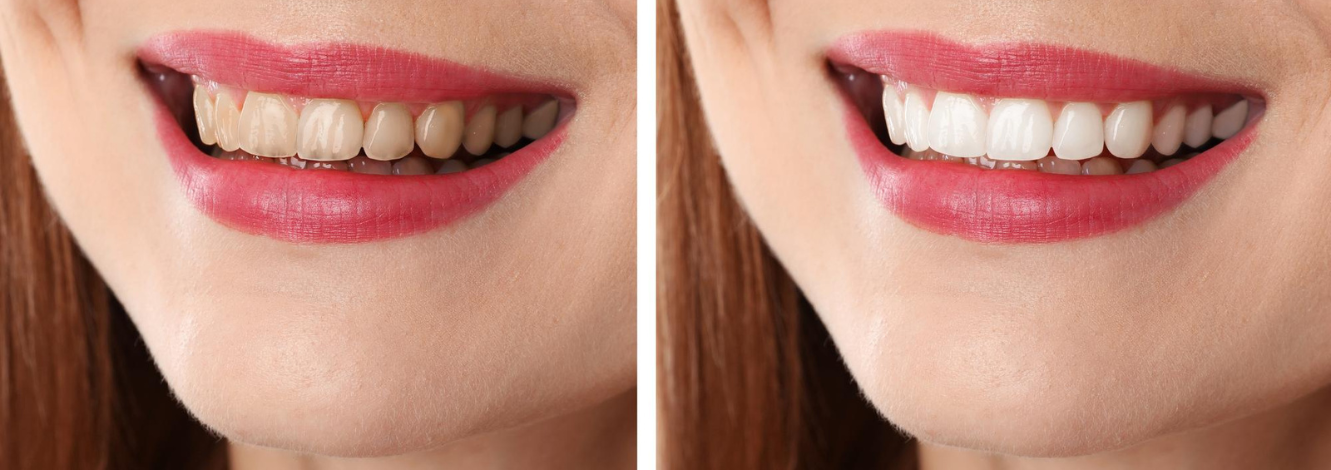
Weddings today are more than just a ceremony; they are a series of celebrations filled with photos, conversations, and unforgettable moments. Whether you are part of the main family or a close guest, everyone wants to look presentable and feel confident. One simple way to enhance your appearance is through teeth bleaching, a dental process that helps to remove stains and lighten the natural shade of your teeth using safe whitening agents. It is a quick and effective way to achieve a cleaner, brighter smile.

While outfits and styling get most of the attention, your smile is something people notice instantly. This is where teeth bleaching becomes an important part of your preparation. A clean, bright smile adds a subtle charm that enhances your overall appearance without much effort.

However, getting the timing right is key to achieving the best results.

Why Teeth Whitening Matters Before Wedding Celebrations

During wedding functions, you’re constantly smiling, on stage, in group photos, and during candid moments. Even minor stains can become noticeable under bright lighting and cameras.

Teeth Bleaching helps reduce these stains and brings back a natural brightness to your smile. It doesn’t change your features, but it enhances them simply and effectively.

That’s why many people today include it as a routine part of their overall grooming before important events.

What Is the Best Time to Whiten Teeth Before Wedding?

If you’re planning ahead, the best time to whiten teeth before a wedding is around 2 to 3 weeks before the event.

Here’s why this timing works best:

1. Time for Sensitivity to Reduce

Some people may experience mild sensitivity after teeth bleaching. Doing it a few weeks earlier ensures everything settles comfortably.

2. Natural Results in Photos

The shade of your teeth stabilises within a few days after treatment. Planning early helps you achieve a more natural look rather than a freshly treated appearance.

3. Scope for Minor Adjustments

If required, a dentist can guide you on small touch-ups. This flexibility is only possible when you don’t leave things for the last minute.

What Happens If You Don’t Plan It Right?

If teeth whitening isn’t done at the right time or with proper planning, it can lead to uneven whitening, increased sensitivity, gum irritation, or enamel damage.
The following are some common issues caused by improper teeth bleaching treatment.

1. Too Early (More Than a Month Before)

Doing teeth bleaching too early may reduce its effect by the time functions begin, especially with regular consumption of tea, coffee, or coloured foods.

2. Too Late (Just Before the Event)

Last-minute whitening may lead to:

  • Temporary sensitivity
  • Mild gum discomfort
  • Results that take time to settle

Planning ahead helps you avoid these situations.

For the Couple: A Smile That Completes the Moment

For the bride and groom, a wedding is one of the most meaningful days of their lives. Every detail matters, and their smile plays a big role in how they look and feel throughout the celebrations.

Choosing bridal teeth whitening ensures that their smile looks fresh, natural, and camera-ready. It enhances their expressions in every photograph, whether it’s the first look, stage moments, or candid laughter.

A bright smile not only adds to their appearance but also boosts confidence during interactions, making them feel more at ease on such an important day.

For Loved Ones: Look and Feel Your Best Too

Weddings are equally special for family members, siblings, and close friends. Being part of these celebrations means being present in memories that last forever.

Opting for teeth bleaching helps loved ones feel more confident while socialising, posing for pictures, and enjoying every moment. A naturally bright smile improves overall grooming and ensures you look fresh without needing extra effort.

It’s not about achieving an artificial white shade; it’s about having a healthy, balanced brightness that suits your personality and enhances your presence.

How to Maintain Your Smile Before the Event

After your teeth bleaching, maintaining the results is simple with a few mindful habits:

  • Limit staining drinks like tea and coffee, especially for the first couple of days
  • Rinse your mouth after meals
  • Stay hydrated
  • Maintain regular brushing and flossing
  • Avoid trying new oral products right before the event

These steps help you retain your bright smile throughout all wedding functions.

Common Mistakes to Avoid

To get the best results, it’s important to avoid a few common mistakes:

  • Delaying your planning and rushing at the last moment
  • Expecting instant final results without giving time to settle
  • Ignoring existing dental concerns
  • Overdoing whitening treatments

A balanced approach always works best.

Why Professional Care Makes a Difference

Professional teeth bleaching is designed to give safe, even, and natural-looking results. A dentist understands your dental condition and recommends the right approach accordingly.

This ensures:

  • Consistent whitening
  • Reduced sensitivity risks
  • Results that complement your natural smile

If you’re exploring Dental services in Mumbai, it’s always helpful to plan early and choose a trusted clinic for a smooth and comfortable experience.

Final Thoughts

A confident smile can truly enhance your presence during wedding celebrations. Planning your teeth bleaching at the right time, ideally 2 to 3 weeks before the event, helps you achieve the best results without any stress.

Whether you are the couple or someone close to them, a naturally bright smile adds to your overall look and confidence. If you’re considering bridal teeth whitening or simply want to upgrade your smile for upcoming celebrations, professional guidance can help you achieve the right balance.

For those looking for reliable Dental services in Mumbai, consulting an experienced clinic like One Stop Dental Clinic, Bandra, ensures your smile is ready to shine in every special moment.

Ready to Start?

Don’t wait for the last minute, schedule your teeth bleaching smartly and step into every special occasion with confidence and looks effortlessly bright and beautiful.

What Happens If You Delay a Root Canal?

Posted on: April 22nd, 2026 by Nishi_Xenia

What Happens If You Delay a Root Canal?

Root Canal

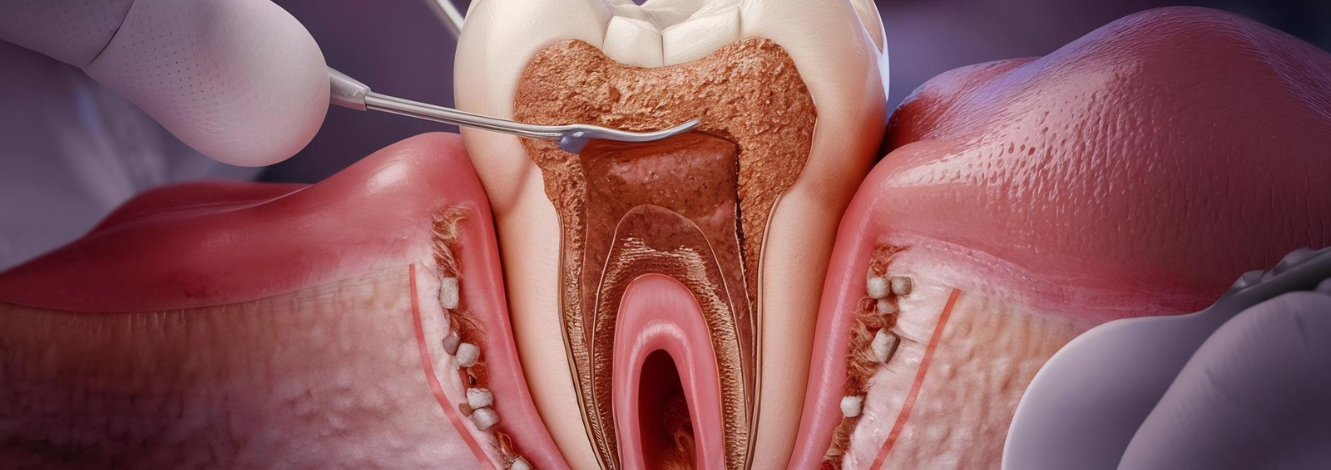
Many people feel anxious when they hear they need a root canal. It is a dental procedure used to treat infection inside a tooth and save it from removal. It involves cleaning the infected pulp and sealing the tooth to prevent further damage.

It’s common to delay treatment, hoping the pain will go away on its own. However, postponing a root canal can lead to more serious problems over time.

If you’ve been advised to undergo treatment and are still unsure, understanding what happens when you delay a root canal can help you make the right decision.

Why is a Root Canal Needed?

A root canal is recommended when the inner part of the tooth (called the pulp) becomes infected or damaged.

This infection can happen due to:

  • Deep cavities
  • Cracks or injury
  • Repeated dental procedures

Once the pulp is infected, it cannot heal on its own. In fact, the condition usually worsens if left untreated.

What Happens If You Delay a Root Canal?

Delaying treatment may seem harmless at first, especially if the pain is manageable. However, the infection continues to spread inside the tooth.

Here are some common consequences:

1. Increasing Pain and Discomfort

One of the earliest signs is tooth pain. Initially, it may come and go, but over time, it can become severe and constant.

As the infection spreads, pressure builds inside the tooth, leading to intense discomfort.

Simple activities such as eating or drinking may become painful.

2. Infection Spreads to Surrounding Areas

An untreated tooth infection is not limited to one tooth.

It can spread to:

  • Nearby teeth
  • Gums
  • Jawbone

In some cases, it may even affect other parts of the body if bacteria enter the bloodstream.

3. Formation of a Dental Abscess

When the infection worsens, it can lead to an abscess—a pocket of pus at the root of the tooth.

This can cause:

  • Swelling in the face or gums
  • Severe pain
  • Fever

An abscess is a serious condition that requires immediate attention.

4. Risk of Tooth Loss

A root canal is performed to save your natural tooth.

If treatment is delayed for too long, the tooth may become too severely damaged to be repaired, leading to extraction.

Saving the natural tooth is always preferable, as it helps maintain proper chewing and alignment.

5. Higher Treatment Cost Later

Delaying treatment can lead to complications and make it more difficult to manage.

Instead of a simple root canal, you may eventually need:

  • Tooth extraction
  • Dental implants or bridges
  • More extensive procedures

This increases both treatment time and cost.

Can the Pain Go Away on Its Own?

Sometimes, the pain may temporarily reduce or disappear. This can give a false sense of relief.

However, this usually means that the nerve inside the tooth has been damaged or died, not that the infection is gone.

The problem still exists and continues to worsen silently.

When Should You See a Dentist?

It’s important to seek professional advice if you notice:

  • Persistent tooth pain
  • Sensitivity to hot or cold
  • Swelling around the gums
  • Pain while chewing

Early diagnosis can help save your tooth with timely root canal treatment.

If you are considering Root Canal treatment in Mumbai, consulting an experienced dentist early can prevent complications and ensure better outcomes.

Why Timely Treatment Matters

A root canal is not just about relieving pain, it is about stopping infection and preserving your natural tooth.

Modern techniques have made the procedure:

  • Comfortable
  • Safe
  • Effective

Delaying it only makes the situation more complicated.

Understanding the Importance of Consultation

Before starting treatment, a detailed evaluation helps determine the extent of the problem.

A Root Canal Consultation typically includes:

  • Clinical examination
  • X-rays
  • Treatment planning

This ensures that the right approach is taken based on your specific condition.

Final Thoughts

Delaying a root canal may seem like a small decision, but it can lead to more serious dental problems over time.

Mild discomfort can gradually develop into severe pain, infection, and even tooth loss if left untreated.

The key is to act early.

If you’ve been advised to undergo a root canal, it’s best to consult an expert at One Stop Dental Clinic, Bandra and understand your options before the condition worsens.

Ready to Start?

Don’t delay the care your tooth needs. Book your consultation today and prevent bigger dental problems tomorrow.

Non-Surgical Smile Makeover Options You Should Know

Posted on: April 17th, 2026 by Nishi_Xenia

Non-Surgical Smile Makeover Options You Should Know

Smile Makeover

A confident smile can make a big difference in how you feel and how others perceive you. But not everyone is comfortable with the idea of surgery when it comes to improving their smile.

The good news is that a Smile Makeover doesn’t always require surgical procedures. Today, there are several non-invasive and minimally invasive options that can help enhance your smile safely and effectively.

What is a Non-Surgical Smile Makeover?

A non-surgical Smile Makeover involves improving the appearance of your teeth and smile without any major surgical procedures. These treatments are usually quick, comfortable, and require little to no downtime.

They focus on correcting:

  • Tooth colour
  • Minor alignment issues
  • Small gaps
  • Uneven or chipped teeth

Many patients prefer these options because they are less invasive while still delivering noticeable results.

Popular Non-Surgical Smile Makeover Options

1. Teeth Whitening

Teeth whitening is one of the simplest ways to enhance your smile.

Over time, teeth can become stained due to various things such as coffee, tea, smoking, or ageing. Professional whitening helps to restore the natural brightness of your teeth.

Benefits:

  • Quick results
  • Non-invasive
  • Improves overall smile appearance

This is often the first step in many Smile Makeover plans.

2. Dental Bonding

Dental bonding is used to repair small imperfections such as chipped, cracked, or slightly uneven teeth.

In this procedure, a tooth-coloured resin is applied and shaped to match your natural teeth.

Best for:

  • Minor gaps
  • Chipped teeth
  • Uneven edges

It is a simple and effective option commonly recommended during smile designing.

3. Veneers (Minimal Prep)

Veneers are thin shells placed on the front surface of teeth to improve their appearance.

Traditional veneers involve some tooth preparation, but modern options can often be done with minimal or no reduction.

Benefits:

  • Natural-looking results
  • Long-lasting improvement
  • Corrects multiple concerns at once

Veneers are often chosen by patients looking for a complete Smile Makeover transformation.

4. Invisible Aligners

If your teeth have mild to moderate alignment issues, invisible aligners can gradually straighten them without the need for metal braces.

These clear aligners are removable and almost invisible, making them a popular choice among adults.

Advantages:

  • Comfortable and discreet
  • Easy to maintain oral hygiene
  • Gradual and effective alignment

Many patients considering smile designing in Mumbai opt for aligners as a modern alternative to braces.

5. Gum Contouring (Laser-Based)

In some cases, the issue is not the teeth but the gums. Uneven gum lines or excessive gum display can affect your smile.

Laser-based gum contouring is a minimally invasive procedure that reshapes the gum lines in teeth.

Benefits:

  • Quick procedure
  • Minimal discomfort
  • Enhances smile symmetry

How to Choose the Right Option for your Smile?

The right Smile Makeover treatment depends on your individual concerns and goals.

A dental consultation typically includes:

  • Smile analysis
  • Understanding your expectations
  • Customized treatment planning

Often, a combination of treatments is recommended to achieve the best results.

If you are exploring smile designing in Mumbai, a personalized approach ensures that your treatment suits your facial features and dental condition.

Understanding Smile Designing Cost in Mumbai

One of the most common questions patients have is about the cost of smile designing in Mumbai.

The cost can vary depending on:

  • Type of treatment
  • Number of teeth involved
  • Complexity of the case
  • Technology used

For example:

  • Teeth whitening is usually more affordable.
  • Veneers and aligners may involve a higher investment.

It’s important to remember that a Smile Makeover is not just about aesthetics—it also improves confidence and overall oral health.

If you are considering the cost of smile designing in Mumbai, focus on long-term value rather than just the initial cost.

Benefits of Non-Surgical Smile Makeover

Non-surgical options are becoming increasingly popular because they offer:

  • Minimal discomfort
  • Faster results
  • No major recovery time
  • Natural-looking improvements

Modern dentistry has made it possible to enhance your smile in a way that feels comfortable and convenient.

Final Thoughts

A beautiful smile doesn’t always require complex procedures. With the right approach, a non-surgical Smile Makeover can deliver noticeable and satisfying results.

Whether it’s whitening, bonding, aligners, or veneers, each treatment is designed to improve your smile in a simple and effective way.

If you’re considering smile designing in Mumbai, consulting a dental expert can help you understand the best options for your needs and guide you through the process.

Take the First Step Towards Your New Smile

If you’ve been looking to improve your smile but want a comfortable and non-invasive approach, a personalized consultation can help you understand what works best for you.

Discover your options, including the smile designing cost in Mumbai, and take the first step toward achieving a confident, natural-looking smile.

Ready to Start?

Book your consultation and take the first step toward a better smile with simple, non-surgical solutions tailored for you.

How Smile Designing Can Make You Look Younger Naturally

Posted on: March 13th, 2026 by onestopdental-xenia

How Smile Designing Can Make You Look Younger Naturally

Everyone wants to look youthful, confident, and vibrant — and your smile plays a bigger role in that than you might think. Over time, teeth can become discolored, worn, misaligned, or uneven, subtly adding years to your appearance. While skincare treatments and cosmetic procedures are popular anti-aging options, there’s a more natural and lasting way to refresh your look: Smile Designing. Let’s break down how Smile Designing works and why it’s becoming one of the most trusted solutions for facial rejuvenation at 1 Stop Dental Clinic in Bandra.

What Is Smile Designing?

Smile Designing is a customized cosmetic dental approach that enhances the appearance of your teeth, gums, and overall smile. Unlike a single cosmetic procedure, Smile Designing combines multiple treatments to create harmony between your teeth, lips, and facial structure.

The process focuses on tooth shape, size, color, alignment, and gum symmetry. The goal is not to create a “perfect” artificial smile, but to design one that looks natural and complements your facial features.

If you want to explore comprehensive aesthetic treatments, you can visit our Cosmetic Dentistry page to understand the available options.

How Does Smile Designing Work?

Smile Designing begins with a detailed consultation and smile analysis. Dentists evaluate facial proportions, tooth dimensions, gum health, and bite alignment. Using advanced digital smile design technology, patients can preview the expected results before treatment even begins.

Depending on your needs, the treatment plan may include teeth whitening, veneers, gum contouring, or orthodontic correction using Clear aligners in bandra.

How Aging Affects Your Smile

As we age, several dental changes occur naturally — and they directly impact how youthful we appear.

Tooth Discoloration

Years of coffee, tea, wine, and certain foods can stain enamel, making teeth appear dull or yellow. This instantly makes the face look older.

Worn or Shortened Teeth

Grinding and natural wear reduce tooth length over time. Shortened teeth show less when you smile — a common sign associated with aging.

Misalignment and Shifting

Teeth may shift due to bone changes or missing teeth, leading to crowding or gaps. Many adults now choose Clear aligners in bandra to correct alignment discreetly.

Reduced Facial Support

Teeth provide structural support to the lips and cheeks. When teeth are worn down or misaligned, facial tissues may appear less supported, contributing to a tired look.

Smile Designing addresses all of these concerns in a holistic manner.

How Smile Designing Helps You Look Younger

Smile Designing works as a natural anti-aging solution by restoring dental harmony and facial balance.

Brighter, Whiter Teeth

Professional whitening removes deep stains and restores brightness. A whiter smile reflects light better, enhancing your complexion and making you appear fresher.

Learn more about safe whitening treatments to see how professional care makes a difference.

Improved Tooth Proportions

Balanced tooth length and proper contours are characteristics of youthful smiles. Reshaping worn edges restores ideal proportions.

Enhanced Facial Symmetry

Symmetry plays a major role in perceived attractiveness and youth. Aligning teeth — often through Clear aligners in bandra — improves smile balance and facial harmony.

Natural Lip Support

Correcting alignment and restoring tooth structure improves lip support, subtly enhancing fullness without cosmetic fillers.

Treatments Included in Smile Designing

Smile Designing is highly personalized, but commonly includes:

Teeth Whitening

Removes stains and brightens teeth safely under professional supervision.

Dental Veneers

Thin ceramic shells placed over teeth to enhance shape, color, and minor alignment issues.

Clear Aligners

Clear aligners in bandra provide a comfortable and nearly invisible method of straightening teeth without traditional braces. You can explore more about clear aligners treatment.

Gum Contouring

Reshapes uneven gum lines to create a balanced and aesthetically pleasing smile frame.

At 1 Stop Dental Clinic in Bandra, each Smile Designing plan is customized to ensure results look natural, durable, and age-appropriate.

Why Professional Smile Designing Matters

Smile Designing requires both clinical expertise and artistic precision. Attempting cosmetic changes without proper planning can lead to unnatural results.

At 1 Stop Dental Clinic in Bandra, every patient undergoes a comprehensive assessment before treatment. Advanced digital tools allow precise planning, predictable results, and minimally invasive procedures.

Choosing professional care ensures your smile transformation enhances both appearance and oral health.

How Long Do Smile Designing Results Last?

With proper oral hygiene and regular dental visits, Smile Designing results can last for many years. Avoiding stain-causing foods, wearing retainers if prescribed, and maintaining routine check-ups will help preserve your youthful smile.

Touch-up treatments can be performed when necessary to maintain brightness and alignment safely.

Final Thoughts: A Younger Look Starts With Your Smile

Looking younger doesn’t always require invasive cosmetic procedures. Often, the most impactful transformation begins with your smile. Smile Designing enhances your natural features, restores facial harmony, and boosts confidence — all without changing who you are.

At 1 Stop Dental Clinic in Bandra, our experienced dental team provides personalized Smile Designing treatments tailored to your goals. Whether through whitening, veneers, or Clear aligners in bandra, we help you achieve a naturally youthful and confident smile.

Book your consultation today and take the first step toward a brighter, rejuvenated you.

Ready to Start?

Book your consultation with the best dentist in Mumbai – and make your oral health a priority that pays off every day.

How Long Do Dental Implants Really Last?

Posted on: March 9th, 2026 by onestopdental-xenia

How Long Do Dental Implants Really Last?

Missing teeth can affect more than just your smile -they can impact your confidence, chewing ability, and overall oral health. That’s why Dental Implants have become one of the most reliable and popular solutions for permanent tooth replacement. But one question patients frequently ask before committing to treatment is: How long do dental implants really last?

The answer is encouraging. With proper care and expert placement, dental implants can last decades -and in many cases, even a lifetime. Let’s explore what determines their longevity and how you can maximize their success.

What Are Dental Implants?

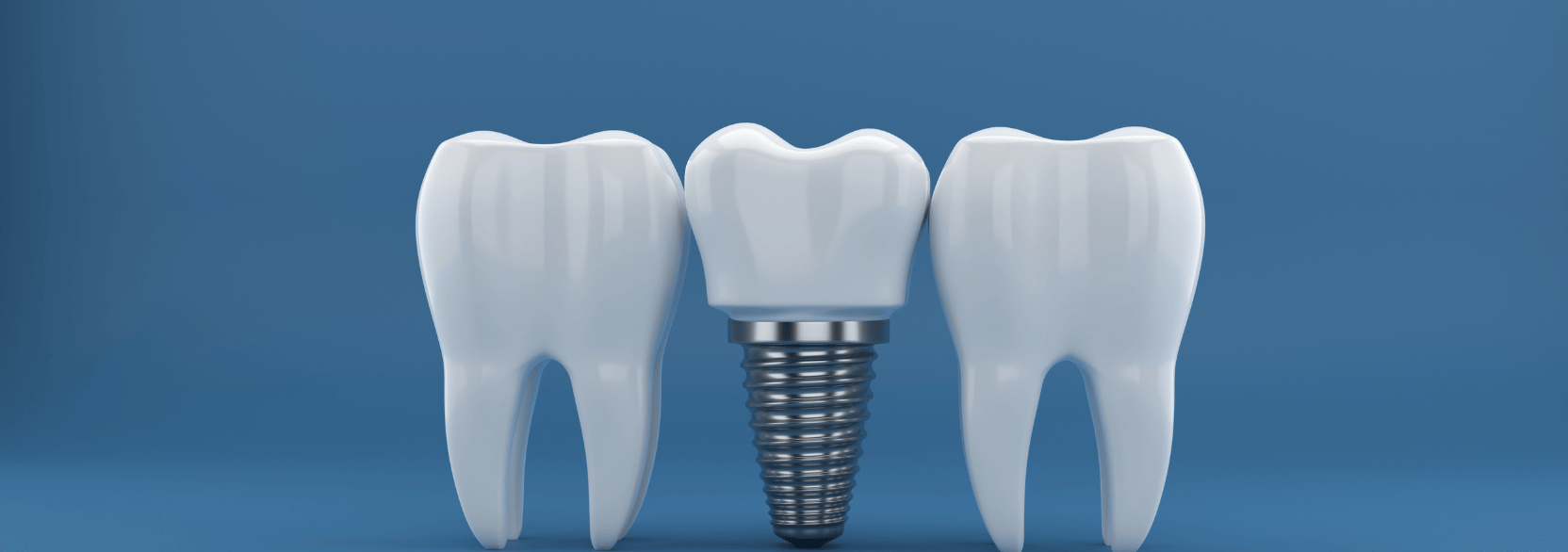
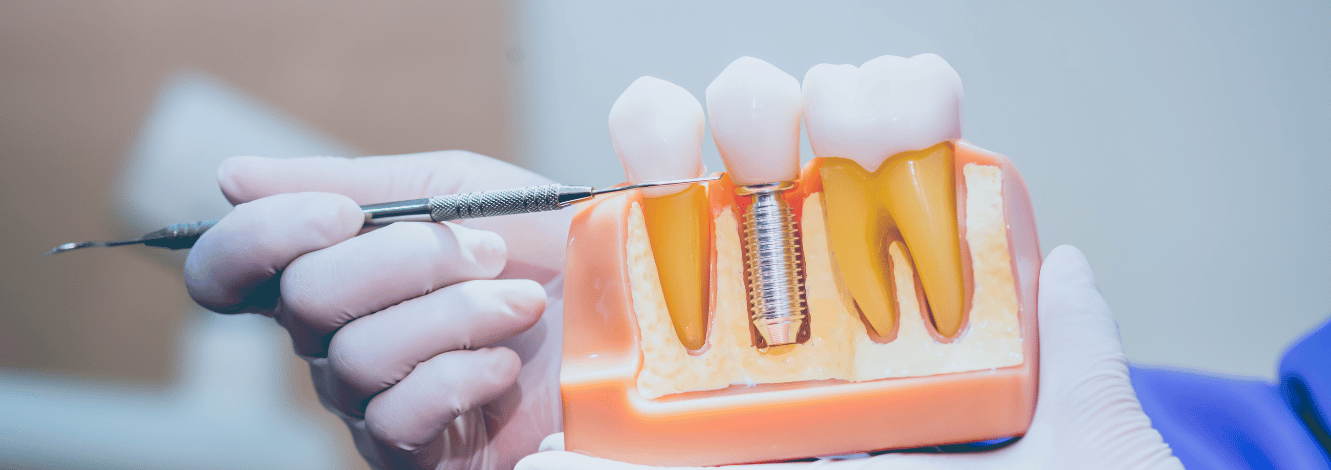
Dental Implants are artificial tooth roots made from titanium that are surgically placed into the jawbone. They provide a strong foundation for replacement teeth that look, feel, and function like natural teeth.

A complete implant consists of three parts:

1. The Implant Post
A titanium screw that integrates with your jawbone through a process called osseointegration.

 2. The Abutment
A connector placed on top of the implant post to support the crown.

3. The Crown
The visible, tooth-like cap that restores aesthetics and functionality.

If you’re considering Dental Implants in bandra, understanding this structure helps you see why implants are far more durable than traditional bridges or dentures.

So, How Long Do Dental Implants Really Last?

The longevity of Dental Implants depends on multiple factors, but here’s a general guideline:

The Implant Post
The titanium root can last 20 to 30 years or more. In many cases, it lasts a lifetime if maintained properly.

The Crown
The crown typically lasts 10 to 15 years before it may need replacement due to natural wear and tear.

When placed by specialists at the best dental clinic in bandra, implants are designed as a long-term investment rather than a temporary fix.

What Factors Affect the Lifespan of Dental Implants?

While implants are highly durable, their success isn’t automatic. Several factors influence how long they will last.

Oral Hygiene

Even though implants cannot decay like natural teeth, the surrounding gums can become infected. Poor oral hygiene may lead to peri-implantitis, a condition that can compromise the implant.

Routine check-ups and professional cleanings -like those offered at our clinic -are essential to long-term success. You can explore our preventive dental care services to maintain your implant health.

Bone Quality and Jaw Strength

A strong jawbone provides the stability implants need. Patients with bone loss may require bone grafting before implant placement to ensure durability.


Lifestyle Habits

Smoking significantly increases the risk of implant failure because it interferes with healing and reduces blood flow to the gums. Teeth grinding (bruxism) can also shorten the lifespan of the crown due to excessive pressure.

Overall Health Conditions

Chronic conditions such as uncontrolled diabetes can impact healing and increase complications. A thorough evaluation before the procedure ensures better outcomes.

Professional Expertise Makes a Big Difference

The experience and skill of the dental professional placing your implant play a crucial role in its longevity. Proper diagnosis, digital imaging, and precision placement dramatically improve success rates.

Choosing the best dental clinic in bandra ensures:

  • Advanced implant technology
  • High-quality biocompatible materials
  • Customized treatment planning
  • Structured aftercare support

If you are exploring tooth replacement options, you can also read about our smile restoration treatments to understand the full range of solutions available.

How Successful Are Dental Implants?

Dental Implants have an impressive success rate of 95–98% when performed under ideal conditions. Compared to other options:

  • Dental bridges typically last 7–15 years
  • Dentures often need adjustments within 5–10 years
  • Implants can last 20+ years with proper care

This makes them one of the most cost-effective solutions in the long term.

Patients opting for Dental Implants in bandra often report improved chewing efficiency, clearer speech, and greater self-confidence.

How to Make Your Dental Implants Last Longer

Proper maintenance can significantly extend the lifespan of your implant.

Maintain Excellent Oral Hygiene
Brush twice daily and floss regularly. Consider using interdental brushes for better cleaning around the implant.

Schedule Regular Dental Visits
Routine examinations help detect early warning signs before they become serious issues.

Avoid Smoking
Quitting smoking improves healing and long-term implant stability.

Use a Night Guard if Needed
If you grind your teeth, a custom night guard protects the implant crown from excessive force.

When Do Dental Implants Fail?

Although rare, implant failure can occur due to:

  • Infection
  • Poor bone integration
  • Excessive bite pressure
  • Lack of proper aftercare

Early signs include discomfort, swelling, or implant mobility. Immediate consultation improves the chances of saving the implant.

Final Thoughts: A Long-Term Investment in Your Smile

So, how long do Dental Implants really last?

With expert placement and consistent care, they can last 20 years or more -often a lifetime. The key lies in choosing experienced professionals, maintaining excellent oral hygiene, and following recommended check-up schedules.

If you are considering Dental Implants in bandra, investing in quality treatment from the best dental clinic in bandra ensures you receive durable, safe, and aesthetically pleasing results.

At 1 Stop Dental Clinic, our experienced team is committed to delivering advanced implant solutions tailored to your needs. Book your consultation today and take the first step toward a stronger, more confident smile.

Ready to Start?

Book your consultation with the best dentist in Mumbai – and make your oral health a priority that pays off every day.

Are Dental Implants Painful? What Patients Really Experience

Posted on: March 4th, 2026 by shweta bade

Are Dental Implants Painful? What Patients Really Experience

Dental Implant

When patients hear the words Dental Implants, one of the first questions that comes to mind is – “Will it hurt?” It’s a completely natural concern. After all, any procedure involving surgery can sound intimidating. However, the reality of modern dental implant treatment is very different from what most people imagine.

At 1 Stop Dental Clinic, we meet many patients who are surprised to learn that the discomfort associated with dental implants is far less than they expected. Let’s explore what patients really experience before, during, and after the procedure.

Understanding Dental Implants

Dental Implants are titanium posts that are surgically placed into the jawbone to replace missing tooth roots. Once healed, they support crowns, bridges, or even full-arch restorations. They look, feel, and function like natural teeth, making them one of the most reliable long-term solutions for missing teeth.

For patients considering Dental Implants in Bandra, understanding the procedure step-by-step can significantly reduce anxiety and help set realistic expectations.

Are Dental Implants Painful During the Procedure?

The short answer: No, the procedure itself is not painful.


Local Anesthesia Ensures Comfort

Before the implant placement begins, the dentist administers local anesthesia to numb the area completely. Most patients report feeling pressure but not pain during the procedure. In fact, many compare it to getting a dental filling.

For patients with dental anxiety, additional sedation options may be available, ensuring a relaxed and comfortable experience.


The Procedure Is Quicker Than You Think

In many cases, placing a single implant takes about 30–60 minutes. Because the area is fully numbed, you remain comfortable throughout the process.

What After the Implant Surgery?

This is where most patients expect significant pain – but the reality is usually much milder.

Mild to Moderate Discomfort Is Normal

After the anesthesia wears off, you may experience:

  • Mild swelling
  • Minor bruising
  • Slight tenderness around the implant site

This discomfort is typically manageable with prescribed or over-the-counter pain medication. Many patients return to work the very next day.

Comparing Implant Pain to Tooth Extraction

Interestingly, most patients say that Dental Implants feel less uncomfortable than a tooth extraction. Since the procedure is carefully planned and minimally invasive, tissue trauma is controlled and healing is predictable.

How Long Does the Discomfort Last?

First 24–48 Hours

You may notice mild soreness and swelling during the first two days. Applying an ice pack and following post-operative instructions helps reduce discomfort significantly.


One Week After Surgery

By the end of the first week, most patients feel almost completely normal. Any residual tenderness gradually fades as healing progresses.

Complete healing and integration of the implant with the bone (osseointegration) takes a few months, but this process is typically pain-free.

Factors That Influence Pain Levels

Not all cases are identical. Several factors can influence what a patient experiences:

  • Number of implants placed
  • Bone grafting procedures (if required)
  • Overall oral health
  • Patient’s pain tolerance


If you’re considering Dental Implants in Bandra, a detailed consultation at 1 Stop Dental Clinic ensures you understand your personalized treatment plan and recovery timeline.

Why Modern Dental Implants Are More Comfortable Than Ever

Advancements in dental technology have transformed implant procedures into safe, precise, and minimally invasive treatments.

Digital Planning and Precision

Modern clinics use digital imaging and guided surgery techniques to ensure accurate placement. This precision reduces trauma, speeds up healing, and minimizes discomfort.

Expertise Matters

Choosing an experienced implant dentist significantly impacts your comfort and recovery. Proper planning, sterile techniques, and gentle surgical methods make the entire process smoother.

Emotional Benefits Outweigh Temporary Discomfort

While patients often focus on potential pain, they quickly realize that the short recovery period is worth the long-term benefits.

Dental Implants restore:

  • Confidence in your smile
  • Ability to chew comfortably
  • Clear speech
  • Jawbone strength

For many patients, implants are also part of a complete smile makeover in bandra, helping them achieve a more youthful and confident appearance.

Tips to Ensure a Smooth Recovery

To minimize discomfort after implant surgery:

  1. Follow all post-operative instructions carefully.
  2. Take medications as prescribed.
  3. Avoid hard or crunchy foods initially.
  4. Maintain gentle but thorough oral hygiene.
  5. Attend follow-up appointments as recommended.


Patients who follow these guidelines typically report a very manageable recovery experience.

When Should You Be Concerned?

While mild discomfort is normal, you should contact your dentist if you experience:

  • Severe or worsening pain after several days
  • Persistent swelling
  • Signs of infection such as fever

Such complications are rare, especially when treatment is performed by experienced professionals.

The Truth About Dental Implant Pain

So, are Dental Implants painful?

For most patients, the answer is no. The procedure itself is painless due to anesthesia, and post-operative discomfort is usually mild and temporary. In fact, many patients say they wish they had done it sooner.

If missing teeth are affecting your confidence or oral health, exploring Dental Implants could be the step that transforms your smile. Whether you need a single implant or a full smile makeover, understanding the real patient experience helps remove fear from the equation.

At 1 Stop Dental Clinic, Bandra, patient comfort is always a priority. With modern techniques, advanced technology, and personalized care, dental implants have become a predictable and comfortable solution for restoring smiles.

Ready to Start?

Book your consultation with the best dentist in Mumbai – and make your oral health a priority that pays off every day.

Is Teeth Bleaching Safe? What Dentists Want You to Know

Posted on: February 27th, 2026 by onestopdental-xenia

Is Teeth Bleaching Safe? What Dentists Want You to Know

Everyone wants a bright, confident smile – and teeth bleaching has become one of the most popular cosmetic dental treatments worldwide. But with so many at-home kits, whitening strips, and social media trends flooding the market, a crucial question keeps surfacing: Is teeth bleaching safe? The answer isn’t black and white (pun intended). Let’s break down exactly what dentists want you to know before you brighten that smile.

What Is Teeth Bleaching?

Teeth bleaching refers to the use of whitening agents – primarily hydrogen peroxide or carbamide peroxide – to lighten the color of your teeth beyond their natural shade. This distinguishes it from regular whitening toothpastes that simply remove surface stains.

Bleaching treatments are available in two main forms: professional teeth whitening performed at a dental clinic, and over the counter (OTC) products you can use at home. While both aim for the same result, the concentration of active ingredients and the level of professional oversight differ significantly.

How Does Teeth Bleaching Work?

The bleaching agent penetrates the enamel and reaches the discoloured molecules inside your teeth. A chemical reaction breaks these stain molecules apart, making your teeth appear whiter and brighter. In-office treatments often use light or laser activation to speed up this process.

Is Teeth Bleaching Safe? The Dentist's Honest Take

The short answer: Yes – when done correctly. The American Dental Association (ADA) has recognized that teeth bleaching safe outcomes are achievable when treatments are used as directed under appropriate supervision. However, that’s where many people go wrong.

Dentists consistently emphasize that safety depends on three critical factors: the concentration of peroxide used, the frequency of treatment, and whether the patient has existing dental conditions that could be aggravated by bleaching agents.

Professional Teeth Whitening vs. Over-the-Counter Products

Professional teeth whitening treatments use higher concentrations of peroxide (typically 15–43%), applied under controlled conditions by a trained dentist. Your gums are protected with a special barrier, and the procedure is monitored throughout.

OTC products, on the other hand, contain lower peroxide concentrations (3–10%) but carry risks when misused – especially when used too frequently, left on too long, or applied to teeth with untreated cavities or gum disease.

Who Should Avoid Teeth Bleaching?

Dentists advise against bleaching for people with untreated cavities or gum disease, pregnant or nursing women, children under 16, and those with tooth sensitivity disorders or restorations such as crowns and veneers (which don’t respond to bleaching).

Common Teeth Whitening Side Effects to Know

Even when bleaching is done correctly, some patients experience teeth whitening side effects. These are generally mild and temporary but being aware of them helps you manage your treatment wisely.

1. Tooth Sensitivity

This is the most reported teeth whitening side effect. Peroxide can temporarily penetrate the enamel and irritate the tooth’s nerve. You may experience sharp twinges when consuming hot, cold, or sweet foods. This usually subsides within 24–72 hours after treatment.

2. Gum Irritation

Bleaching gels that come into contact with soft tissue can cause temporary gum irritation or whitening of the gum line. This is more common with OTC strips that don’t perfectly fit your mouth’s shape. In-office treatments minimize this risk through customized trays and gum protection.

3. Enamel Damage From Overuse

Excessive or frequent bleaching can weaken enamel over time, making teeth more susceptible to decay and discoloration. This is why dentists caution against overuse of whitening products and recommend following prescribed schedules.

Dentist-Approved Tips for Safe Teeth Bleaching

Keeping teeth bleaching safe comes down to following expert-backed guidelines. Here’s what dental professionals recommend:

Consult Your Dentist First

Before starting any bleaching regimen, get a professional dental examination. Your dentist can identify issues like cavities or gum disease that need to be addressed before whitening begins.

Choose Professional Teeth Whitening for Dramatic Results

If you want significant whitening safely and quickly, professional teeth whitening is the most reliable option. Dentists use custom trays, protective barriers, and precise dosing to minimize teeth whitening side effects.

Don’t Overdo It

Follow the recommended treatment schedule. More isn’t better when it comes to bleaching. Overusing whitening products is one of the most common mistakes that leads to enamel damage and prolonged sensitivity.

Maintain Good Oral Hygiene

Brush with a sensitivity toothpaste before and after bleaching treatments. Avoid stain-causing foods and drinks like coffee, red wine, and tobacco to prolong your results.

How Long Do Whitening Results Last?

With professional teeth whitening, results can last anywhere from one to three years, depending on your diet and oral hygiene habits. At-home treatments typically last several months. Touch-up treatments, guided by your dentist, can help maintain that luminous smile without overexposing your teeth to bleaching agents

Final Thoughts: Bright Smiles, Smart Choices

So, is teeth bleaching safe? Absolutely – when approached thoughtfully and with professional guidance. The key is not to let the pursuit of a perfect smile put your dental health at risk. Teeth whitening side effects are manageable, and professional teeth whitening remains the gold standard for both safety and effectiveness.

At 1 Stop Dental Clinic, our experienced dental team is here to guide you through safe, effective whitening options tailored to your unique smile. Book your consultation today and take the first step toward a brighter, healthier you.

Even when bleaching is done correctly, some patients experience teeth whitening side effects. These are generally mild and temporary but being aware of them helps you manage your treatment wisely.

Ready to Start?

Book your consultation with the best dentist in Mumbai – and make your oral health a priority that pays off every day.

Signs You May Need a Root Canal: Don’t Delay Treatment

Posted on: February 19th, 2026 by onestopdental-xenia

Signs You May Need a Root Canal: Don’t Delay Treatment

That nagging toothache you keep ignoring might be telling you something important. Dental discomfort rarely goes away on its own-and in many cases, it signals an underlying problem that requires a root canal. Many patients put off treatment out of fear or uncertainty, but delaying a root canal can turn a manageable problem into a dental emergency. Understanding the warning signs can help you act early, protect your natural tooth, and avoid more costly procedures down the line.

If you are experiencing any of the symptoms below, it may be time to schedule a root canal consultation at 1Stop Dental Clinic in Bandra before the condition worsens.

What Is a Root Canal?

A root canal is a dental procedure designed to remove infected or damaged pulp from the inside of a tooth. The pulp is the soft tissue containing nerves and blood vessels. When it becomes infected due to deep decay, cracks, or trauma, it must be carefully cleaned, disinfected, and sealed to save the tooth. Contrary to popular belief, modern root canal treatment is no more uncomfortable than getting a routine filling-and it brings considerable relief.

Top Signs You May Need a Root Canal

1. Persistent or Severe Tooth Pain

One of the most common reasons patients seek a root canal is unrelenting tooth pain. If you feel deep pain that comes and goes-or stays constant-especially when biting or chewing, do not dismiss it. This type of pain often indicates that the nerve inside the tooth is inflamed or infected and needs immediate professional attention.


2. Prolonged Sensitivity to Hot or Cold

It is normal to feel a brief twinge of sensitivity when you drink something cold or hot. However, if that sensitivity lingers for several seconds or minutes after the stimulus is removed, it could be a sign that the tooth pulp is damaged. Prolonged sensitivity is a strong indicator that the tooth may require root canal treatment to prevent the infection from spreading.


3. Swollen or Tender Gums

Swollen, tender, or raised gum tissue near a specific tooth is not just a sign of gum disease-it can also signal a deeper infection. If you notice a small pimple-like bump (called a dental abscess or sinus tract) on your gums, this is a warning sign that bacteria have reached the root of the tooth and may be draining through the tissue. This situation calls for prompt evaluation.


4. Tooth Discolouration

A tooth that has turned grey, dark yellow, or brownish-especially without any obvious trauma-may have a dying or dead pulp inside. When the blood supply to the pulp is compromised, the tooth begins to discolour from the inside out. If you notice one tooth looking significantly different from the others, consult a dentist for a root canal consultation right away.


5. Cracked or Chipped Tooth

A crack or chip in the tooth may seem like a minor cosmetic issue, but it can allow bacteria to enter the inner pulp chamber. Even if you do not feel pain initially, bacteria can gradually infect the nerve tissue, eventually requiring a root canal. Getting a cracked tooth checked promptly can prevent the situation from escalating.


6. Deep Decay or Large Cavity

When tooth decay progresses deep enough to reach the pulp, a simple filling is no longer sufficient. Deep cavities left untreated can become gateways for infection into the tooth’s core. If your dentist identifies extensive decay on an X-ray or during an examination, they may recommend root canal treatment to fully clean and seal the tooth before placing a crown.

Why Delaying a Root Canal Is Risky

makes things worse. Here is what can happen when you delay treatment:

  • The infection can spread to surrounding teeth, gums, and jawbone.
  • A dental abscess may form, which can cause severe pain and swelling.
  • In serious cases, infection from an untreated tooth can enter the bloodstream.
  • You may ultimately lose the tooth entirely, requiring a costlier replacement such as a dental implant or bridge.


Early intervention with a root canal can preserve your natural tooth, eliminate infection, relieve pain, and prevent far more complicated and expensive treatments in the future.

What to Expect During Root Canal Treatment

Modern root canal treatment is a highly comfortable and efficient procedure. With local anaesthesia, most patients feel little to no discomfort during the treatment. The steps typically involve:

  • A thorough examination and X-ray to assess the extent of infection.
  • Local anaesthesia to numb the tooth and surrounding area.
  • Removal of infected pulp tissue from the root canals.
  • Cleaning, shaping, and disinfecting the canals.
  • Sealing the canals with a biocompatible material.
  • Placing a dental crown to restore the tooth’s function and appearance.


Recovery is typically straightforward, with mild soreness for a day or two that can be managed with over-the-counter pain relief.

Schedule Your Root Canal Consultation in Bandra Today

Do not wait for a toothache to become unbearable. If you have noticed any of the warning signs discussed above, the best thing you can do is act quickly. A timely root canal consultation could be the difference between saving and losing your tooth.

Our experienced dental team is committed to providing gentle, effective root canal treatment in Bandra using the latest techniques and technology. We understand dental anxiety is real, and we go above and beyond to ensure your comfort throughout the process.

Your smile is worth saving. Book your appointment today and let us help you stay pain-free.

Conclusion

A root canal is not something to fear-it is one of the most effective ways to relieve dental pain and preserve your natural tooth. Recognising early warning signs such as persistent pain, temperature sensitivity, swollen gums, or tooth discolouration gives you the best chance of a simple, successful recovery. The longer you wait, the more complex the treatment may become.

If any of these symptoms sound familiar, reach out for a root canal consultation and take the first step toward lasting dental health.

Ready to Start?

Book your consultation with the best dentist in Mumbai – and make your oral health a priority that pays off every day.

Missing Teeth? How Dental Bridges Restore Function & Confidence

Posted on: February 17th, 2026 by onestopdental-xenia

Missing Teeth? How Dental Bridges Restore Function & Confidence

Missing teeth affect more than appearance-they impact eating, speech, and oral health. Dental bridges offer an effective solution to restore function and confidence. At 1 Stop Dental Clinic, our crown and bridge treatment provides natural-looking, long-lasting results.

What Are Dental Bridges?

A dental bridge is a fixed prosthetic device that replaces missing teeth. It consists of artificial teeth (pontics) anchored by

Dental crowns placed on adjacent natural teeth or implants. Unlike removable dentures, bridges are permanently cemented for stable, natural-feeling results.

Why Do You Need a Dental Bridge?

Missing teeth can lead to several oral health complications if left untreated. A dental bridge may be recommended if you:

  • Have one or more missing teeth creating visible gaps in your smile
  • Experience difficulty chewing or speaking properly
  • Notice adjacent teeth beginning to shift or tilt into empty spaces
  • Want to maintain proper bite alignment and prevent jaw problems
  • Seek to restore facial structure and prevent the sunken appearance that missing teeth can cause

By filling the gap left by missing teeth, dental bridges help restore normal function and prevent the complications associated with tooth loss.

How Dental Bridges Work

The procedure typically requires two visits. First, adjacent teeth are prepared and impressions taken. A temporary bridge protects your teeth while the permanent one is crafted. During the second visit, the custom bridge is fitted, adjusted, and permanently cemented for optimal comfort and alignment.

Types of Dental Bridges

At 1 Stop Dental Clinic, we offer several types of dental bridges to suit different needs:

Traditional Bridges

The most common type, traditional bridges use dental crowns on both sides of the gap to support the artificial teeth in between. These are ideal when you have natural teeth on both sides of the missing tooth.

Cantilever Bridges

Used when natural teeth are present on only one side of the gap, cantilever bridges are supported by a single crown. These are less common and typically used in areas of the mouth with less chewing pressure.

Implant-Supported Bridges

For patients missing multiple consecutive teeth, implant-supported bridges offer the strongest and most durable solution. These bridges are anchored by dental implants rather than natural teeth, preserving the surrounding tooth structure.


Benefits of Dental Bridges

Dental bridges provide numerous advantages for patients dealing with tooth loss:

Restored Chewing Function: Eat your favorite foods comfortably without pain or difficulty.

Improved Speech: Fill gaps that may cause slurred or unclear speech.

Natural Appearance: Modern materials create bridges that blend seamlessly with your natural teeth.

Prevent Tooth Movement: Keep remaining teeth properly aligned and prevent shifting.

Maintain Facial Structure: Support your facial muscles and prevent the sunken look associated with missing teeth.

Boost Confidence: Smile freely without feeling self-conscious about gaps in your teeth.


Materials Used in Dental Bridges

Our crown and bridge treatment utilizes high-quality materials chosen based on your specific needs, budget, and aesthetic preferences:

Porcelain or Ceramic: Offers the most natural appearance, ideal for front teeth where aesthetics are paramount.

Zirconia: Extremely strong and durable, suitable for both front and back teeth with excellent aesthetics.

Porcelain-Fused-to-Metal: Combines strength with aesthetics, providing durability for back teeth while maintaining a natural look.

Your dentist will recommend the most appropriate material based on the location of the missing tooth, your bite pattern, and cosmetic considerations.


Caring for Your Dental Bridge

With proper care, bridges last 10-15 years or longer. Maintain them by brushing twice daily, flossing with special threaders, visiting your dentist regularly, avoiding hard foods, and using a mouth guard if you grind your teeth. Regular check-ups allow early detection of any issues.

Why Choose 1 Stop Dental Clinic for Your Dental Bridge Treatment?

At 1 Stop Dental Clinic, we combine expertise with compassionate care. Our experienced team uses advanced technology and premium materials to create natural-looking, comfortable bridges. We assess your unique needs and create personalized treatment plans, whether you need dental crowns in Mumbai or complete restoration.

Schedule Your Consultation Today

Don’t let missing teeth hold you back. Dental bridges can restore your eating, speaking, and smiling confidence. Contact 1 Stop Dental Clinic today to discover how our crown and bridge treatment in Bandra can transform your smile and quality of life.

Ready to Start?

Book your consultation with the best dentist in Mumbai – and make your oral health a priority that pays off every day.

Tooth Extraction: When Is Removing a Tooth Necessary?

Posted on: February 3rd, 2026 by shweta bade

Tooth Extraction: When Is Removing a Tooth Necessary?

tooth extraction

The idea of a tooth extraction can be concerning for many patients. However, removing a tooth is sometimes the best option to protect your overall oral health and prevent further complications.

At 1 Stop Dental Clinic, we focus on preserving natural teeth whenever possible. Tooth extraction is recommended only when a tooth cannot be saved safely or effectively. This blog explains when tooth extraction is necessary, common reasons for removal, and what patients can expect.

What Is Tooth Extraction?

Tooth extraction is the removal of a tooth from its socket in the jawbone. It may be a simple extraction, performed on a visible tooth, or a surgical extraction, required when the tooth is impacted, broken, or not fully erupted.

When Is Tooth Extraction Necessary?

A dentist may recommend tooth extraction in the following situations:

  1. Severe Tooth Decay or Infection

When decay or infection has damaged the tooth beyond repair and root canal treatment is no longer a viable option, extraction may be necessary to stop the spread of infection.

  1. Advanced Gum Disease

Severe periodontal disease can weaken the supporting bone and tissues around a tooth. If the tooth becomes loose and cannot be stabilized, removal may be required to protect surrounding teeth.

  1. Impacted Wisdom Teeth

Wisdom teeth that do not erupt properly can cause pain, swelling, infection, or damage to nearby teeth. Wisdom tooth extraction is commonly recommended in such cases.

  1. Broken or Fractured Teeth

Teeth that are badly fractured below the gum line or split vertically may not be restorable with crowns or other treatments, making extraction the safest option.

  1. Overcrowding or Orthodontic Treatment

In some cases, tooth extraction is advised to create space for proper alignment during orthodontic treatment, such as braces or clear aligners.

  1. Trauma or Injury

Dental trauma from accidents or injuries may severely damage a tooth, requiring extraction if restoration is not possible.

Simple vs Surgical Tooth Extraction

  • Simple Extraction: Performed on teeth that are visible and easily accessible. Usually done under local anaesthesia.
  • Surgical Extraction: Required for impacted, broken, or partially erupted teeth. This procedure may involve a small incision in the gum.

Your dentist will determine the appropriate approach based on your condition.

Does Tooth Extraction Hurt?

Modern dental techniques and effective local anaesthesia ensure that tooth extraction is a comfortable procedure. You may feel pressure during the extraction, but pain is minimized. Mild discomfort after the procedure is normal and manageable with medication.

What to Expect After Tooth Extraction

After a tooth extraction, proper care is essential for healing. Patients are usually advised to:

  • Avoid chewing on the extraction site
  • Follow oral hygiene instructions carefully
  • Avoid smoking or using straws for a few days
  • Attend follow-up appointments if advised

Healing time varies depending on the type of extraction and individual factors.

What Are Your Options After Tooth Extraction?

Replacing a missing tooth helps maintain bite alignment and oral function. Common options include:

  • Dental bridges
  • Dental implants
  • Partial dentures

Your dentist will recommend the most suitable replacement option based on your oral health needs.

Expert Tooth Extraction at 1 Stop Dental Clinic

At 1 Stop Dental Clinic Bandra, tooth extraction is performed with a patient-first approach, ensuring safety, comfort, and proper post-treatment guidance. Our experienced dental team carefully evaluates every case to determine whether extraction is truly necessary.

If you’re experiencing persistent tooth pain, swelling, or infection, timely consultation can help prevent further complications.

Schedule a Consultation

Visit 1 Stop Dental Clinic Bandra for a comprehensive dental evaluation and expert guidance on whether tooth extraction or an alternative treatment is right for you.

Ready to Start?

Book your consultation with the best dentist in Mumbai – and make your oral health a priority that pays off every day.