
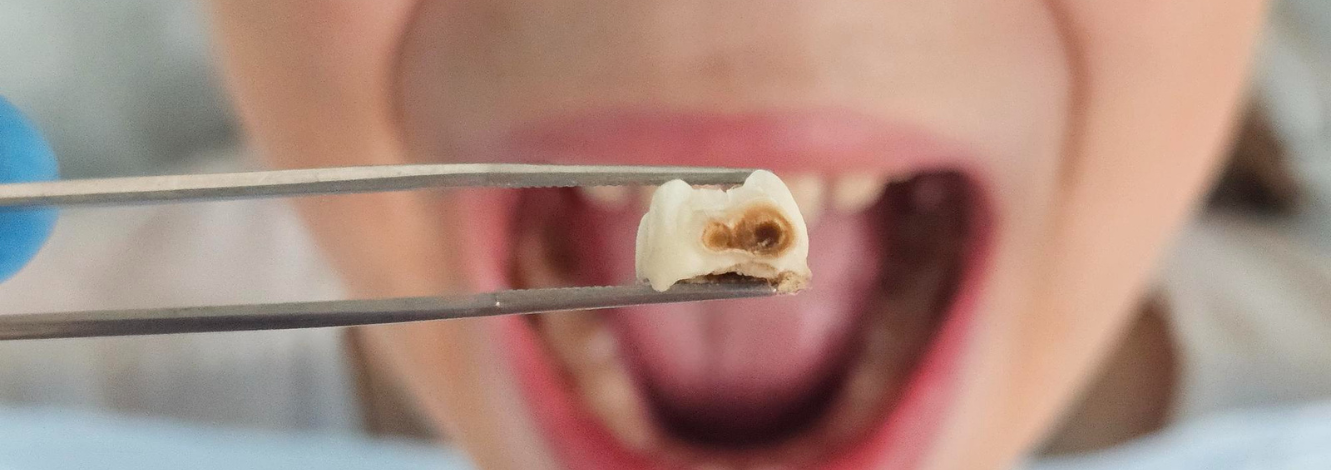
Many parents assume that milk teeth, also known as baby teeth, are temporary and will eventually fall out; so, dental issues at this stage are not a big concern. But this is one of the most common misconceptions. In reality, cavities in milk teeth can have a lasting impact on a child’s oral health, comfort, and even overall development.
Milk teeth play an important role in chewing, speaking, and guiding permanent teeth into the right position. Ignoring problems at this stage can lead to complications that go beyond just a toothache.
Cavities in milk teeth are small holes or decay that develop in a child’s teeth due to bacterial activity. When sugary foods and poor oral hygiene combine, bacteria produce acids that weaken the tooth enamel, leading to decay.
These cavities may start small but can quickly progress if left untreated. Since children may not always express discomfort clearly, the problem often goes unnoticed until it becomes severe.
Ignoring cavities can lead to more than just minor tooth decay. If left untreated, they can cause pain, infection, and even affect the growth of permanent teeth. This is why timely care and early treatment are essential for a child’s overall oral health. Here’s why timely care is essential:
Cavities can lead to sensitivity and toothache, making it difficult for children to eat or drink properly. This can affect their nutrition and daily routine.
Untreated cavities in milk teeth can lead to infections that may spread to surrounding tissues. In some cases, it can even affect the developing permanent teeth underneath.
Milk teeth act as placeholders for adult teeth. If they are damaged or lost too early due to decay, it can result in misalignment or crowding later.
Teeth play a key role in pronunciation. Severe cavities in milk teeth can interfere with how a child learns to speak clearly.
Poor dental health in childhood often leads to long-term habits. Ignoring cavities in milk teeth may make children less aware of the importance of oral hygiene as they grow.
Children may not always be able to clearly express dental discomfort, which makes it important for parents to stay observant. Early signs of cavities in milk teeth can often be subtle and easy to miss, but noticing them in time can prevent bigger issues later, such as:
Early detection can make treatment simpler and more comfortable for your child.
Several factors can lead to the development of cavities in milk teeth. Frequent consumption of sugary foods and drinks, along with improper brushing habits, creates an ideal environment for bacteria to grow inside. Over time, this weakens the tooth enamel and leads to decay in children’s teeth:
These habits create the perfect environment for bacteria to thrive, leading to decay.
The good news is that early-stage cavities can be treated effectively. The right treatment for cavities in milk teeth depends on the severity of the decay.
In the early stages, fluoride applications can help strengthen enamel and stop the decay from progressing.
If the cavity has developed further, the decayed portion is removed and the tooth is filled to restore its function.
In cases of extensive decay, crowns may be used as part of the treatment for cavities in milk teeth to protect and preserve the tooth.
If the tooth is severely damaged, removal may be required to prevent infection from spreading.
Consulting a qualified kids dentist in Bandra can help determine the most suitable approach based on your child’s condition.
Prevention is always better than treatment. Here are simple ways to reduce the risk of cavities:
A visit to a trusted kids dentist in Bandra can also help monitor your child’s dental health and catch any early signs of decay.
It’s recommended that a child’s first dental visit happen by their first birthday or when the first tooth appears. Regular check-ups help identify early signs of cavities in children, including dental cavities in children, before they become more serious.
If your child complains of pain or shows visible signs of decay, don’t wait. Early intervention can prevent complications and make treatment easier.
Ignoring cavities in milk teeth might seem harmless because these teeth are temporary, but the impact can be long-lasting. From pain and infection to alignment issues and speech problems, untreated cavities can affect a child’s overall development.
Taking timely action, maintaining good oral hygiene, and seeking the right dental guidance can make a significant difference. At clinics like One Stop Dental Clinic, the focus is on early diagnosis and gentle care, ensuring children feel comfortable while receiving the right treatment for healthy, happy smiles.
Protect your child’s smile early by addressing cavities in milk teeth at the right time. Visit One Stop Dental Clinic, Bandra for expert guidance and gentle care.
We understand just how closely connected oral health is to your overall health, confidence, and appearance, and we pride ourselves on cultivating a friendly, upbeat dental environment where you can always feel comfortable in our care.
2nd floor, 203/204/302, Kanaiya, 250, Linking Rd, opp. National College, Bandra West, Mumbai, Maharashtra 400050