Author Archive

Can Teeth Whitening Improve Different Types of Tooth Discolouration? A Dentist’s Perspective

Posted on: September 11th, 2026 by Nishi_Xenia

Can Teeth Whitening Improve Different Types of Tooth Discolouration? A Dentist’s Perspective

Teeth Whitening Treatment

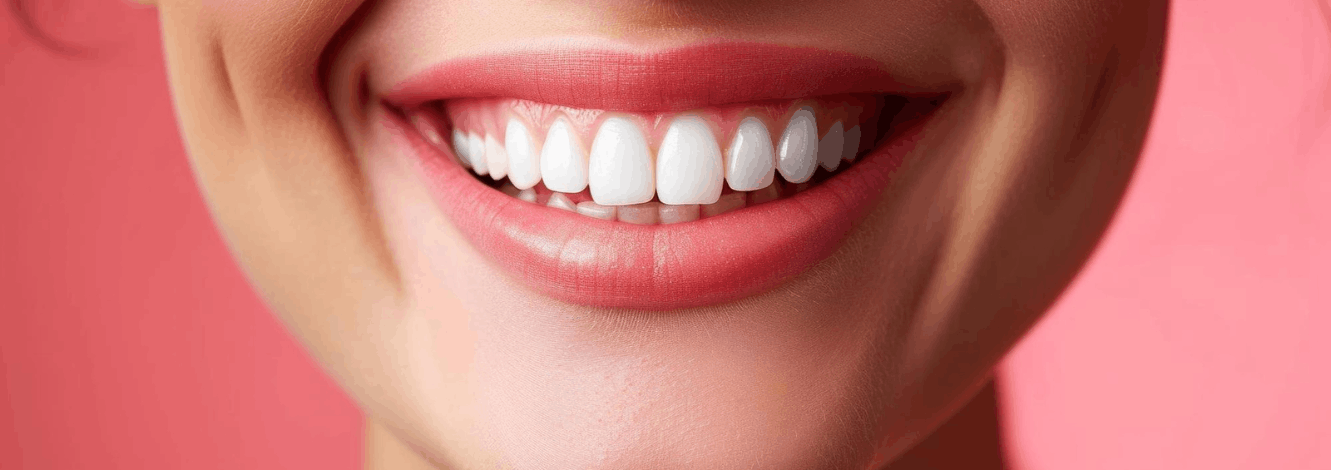
Teeth naturally come in different shades. Some people have naturally bright teeth, while others have a slightly warmer or yellowish shade. Over time, the colour of teeth can also change because of food, drinks, age, lifestyle, or changes inside the tooth. This is where Teeth Whitening can help.

It is a common cosmetic dental treatment that can make natural teeth look brighter by reducing certain types of stains and discolouration. But does whitening work for every type of tooth discolouration?

The result depends on why the tooth has changed colour and whether the discolouration is on the surface or inside the tooth. Let’s understand the different types of tooth discolouration and when whitening can help.

What Is Tooth Discolouration?

Tooth discolouration means a change in the natural colour of a tooth. The natural colour of healthy teeth is not always bright white. It can range from white to light yellow or slightly grey.

However, certain habits and changes can make teeth look darker over time. Some common reasons include:

  • Tea and coffee
  • Tobacco use
  • Coloured foods and drinks
  • Ageing
  • Certain medicines
  • Poor oral hygiene
  • Tooth injury
  • Changes inside the tooth

Understanding the reason behind the colour change is important because different types of discolouration may need different treatments.

What Are the Main Types of Tooth Discolouration?

Dentists generally look at whether the colour change is on the outside of the tooth or inside also.

1. Surface Stains

These stains develop on the outer surface of the teeth.

Tea, coffee, tobacco, and some foods contain colour pigments that can gradually stick to the teeth. Regular brushing may not remove all of them.

Surface stains are usually easier to improve. A professional dental cleaning can remove deposits, and Teeth Whitening can further brighten the natural tooth colour.

2. Deeper Discolouration

Sometimes the colour change comes from deeper within the tooth.

This can happen due to:

  • Age-related changes
  • Certain medicines
  • An old injury
  • Changes in the tooth structure
  • Problems affecting the inside of the tooth

In such cases, a dentist may suggest teeth whitening or any other cosmetic treatment depending on the cause.

Can Teeth Whitening Remove All Types of Stains?

It generally works well for many surface stains caused by everyday foods and drinks. However, deeper discolouration may respond differently.

The final result depends on several factors, such as:

  • The cause of the discolouration
  • The original colour of your teeth
  • How deep the stain is
  • The condition of your teeth
  • Whether you have fillings, crowns, or veneers

This is why a dental check-up before treatment is useful. It helps the dentist understand what is causing the colour change and what result you can expect.

Can Whitening Make Yellow Teeth Look Whiter?

Teeth can look yellow because of surface stains, natural tooth colour, ageing, or the dentin underneath the enamel.

If the yellow colour comes mainly from surface stains, whitening can often make a noticeable difference. A good whitening result should look natural and suit your smile rather than simply aiming for the brightest possible shade.

Can Whitening Remove Coffee and Tea Stains?

Coffee and tea are common causes of surface staining. Their colour pigments can build up on the teeth over time, especially when you drink them regularly. Professional cleaning can help remove surface deposits, while whitening can help lighten the natural tooth shade further.

The amount of improvement depends on how much staining is present and how long it has been there. If you enjoy your daily cup of tea or coffee, simple habits such as rinsing your mouth with water afterwards can also help reduce future staining.

Can Whitening Help With Tobacco Stains?

Tobacco can cause yellow or brown stains on the teeth. When these stains are mainly on the surface, professional cleaning and whitening may improve their appearance.

However, if tobacco use continues, new stains can develop over time. Your dentist can suggest suitable ways to maintain the results after treatment.

Can Teeth Whitening Fix Discolouration Inside the Tooth?

When discolouration comes from inside the tooth, regular whitening may have limited results. For example, a tooth that has changed colour after an injury may not respond like a tooth with a simple coffee stain.

In such situations, your dentist may discuss other options, such as bonding, veneers, or treatment specifically designed for the affected tooth. The important step is to first find out why the tooth has changed colour.

What Happens Before a Teeth Whitening Treatment?

A dentist should check your teeth before starting any whitening treatment.

The examination may include checking:

  • Your teeth and gums
  • Existing cavities
  • Tooth sensitivity
  • Old fillings or crowns
  • The type of stains
  • The overall condition of your teeth

If you have a cavity or gum problem, your dentist may recommend treating it first.

This helps make the treatment safer and allows you to understand what kind of result you can realistically expect.

Is Professional Teeth Whitening Safe?

When a dentist chooses the right treatment for your teeth and uses whitening products correctly, professional whitening is generally considered safe.

Some people may experience temporary tooth sensitivity after treatment. This usually settles, but it is important to tell your dentist if you already have sensitive teeth.

Using more whitening product does not necessarily mean better results. The treatment should match the condition of your teeth.

Why Choose Professional Whitening Instead of Doing It Yourself?

Many whitening products are available for home use. However, they may not be suitable for everyone. A dentist can first identify the reason for the discolouration and then suggest the most suitable option.

With Professional Teeth Whitening in Bandra, your dentist can also check existing dental work such as fillings, crowns, or veneers.

This matters because whitening products work on natural teeth but do not whiten crowns, veneers, or most tooth-coloured fillings in the same way.

How Can You Maintain Your Whitening Results?

Whitening results can last for a long time, but your teeth can gradually pick up new stains.

A few simple habits can help:

  • Brush your teeth twice a day
  • Clean between your teeth regularly
  • Drink enough water
  • Limit frequent consumption of staining drinks
  • Avoid tobacco
  • Follow your dentist’s aftercare advice
  • Visit your dentist for regular check-ups

You do not need to avoid every food or drink you enjoy. Good daily oral care can go a long way in maintaining a brighter smile.

When Should You Visit a Teeth Whitening Dentist in Bandra?

If you are considering whitening in Bandra, the first step is to find a Teeth Whitening Dentist in Bandra, and the second is to understand the reason behind your tooth discolouration. Then a dentist can examine your teeth and explain whether whitening is suitable for you.

In some cases, whitening may be enough. In others, a different cosmetic dental treatment may give a better result. The right choice depends on your teeth, the type of discolouration, and the result you want to achieve.

Final Thoughts

Teeth can change colour for many reasons, and not every type of discolouration needs the same solution. Surface stains from tea, coffee, and tobacco may respond well to whitening, while deeper colour changes may need another approach.

The best way to know whether Teeth Whitening is right for you is to have your teeth examined first. This helps you understand the cause of the discolouration and the result you can realistically expect.

At 1 Stop Dental Clinic, patients can discuss their smile goals and learn about suitable cosmetic dental options based on their individual needs. If you are considering a Teeth Whitening Treatment, a professional consultation can help you choose the right approach for a brighter, natural-looking smile.

Ready to Start?

Understand how professional teeth whitening can improve different types of tooth discolouration and which approach may suit your smile.
A Deep Cavity Doesn’t Always Mean Tooth Extraction: How Root Canal Treatment Can Help Save the Tooth

Posted on: September 11th, 2026 by Nishi_Xenia

A Deep Cavity Doesn't Always Mean Tooth Extraction: How Root Canal Treatment Can Help Save the Tooth

Root canal treatment

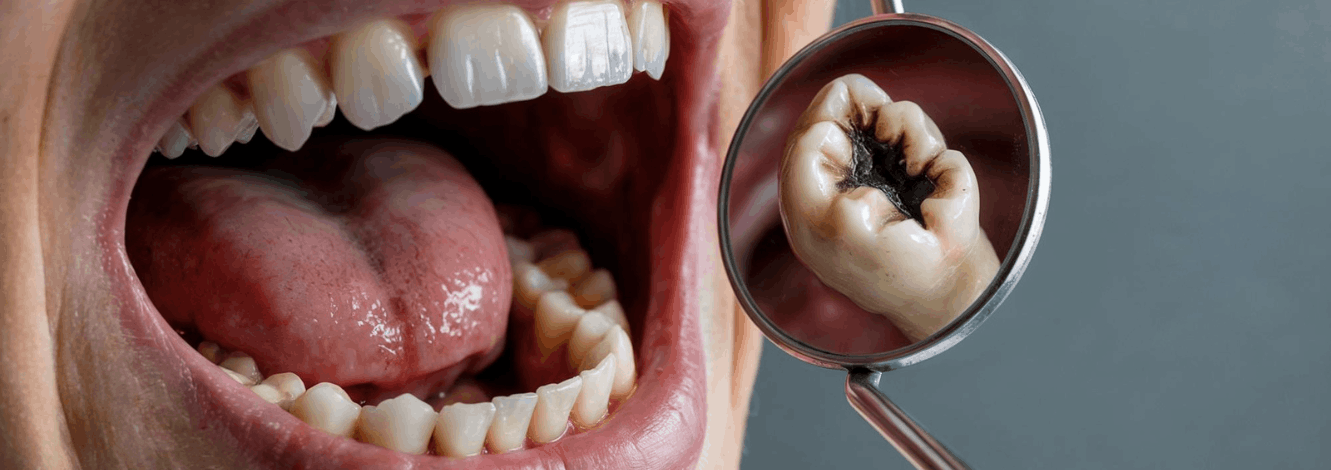
A small black spot on your tooth may not seem like a big problem at first. You may not feel any pain, so it is easy to ignore it. But what starts as a small cavity can slowly become deeper, reach the inside of the tooth and require root canal treatment.

When this happens, many people think, “The tooth is badly damaged, so it probably needs to be removed.”  But that is not always the case. In many situations, a dentist can treat the infection and save the natural tooth with Root Canal Treatment. The treatment needed depends on how deep the cavity is and how much healthy tooth is left.

First, let’s understand what a cavity actually is and what happens when it gets deeper.

What Is a Cavity?

A cavity is a damaged area in a tooth caused by tooth decay. It usually develops when bacteria in the mouth feed on sugars and produce acids that slowly wear away the tooth.

At first, a cavity may not cause any pain. You may only notice a small spot or nothing at all. But if the cavity is not treated, it can continue to get deeper into the tooth. As much as cavity goes, the chance of pain, sensitivity, or infection increases.

What Happens When a Cavity Gets Deep?

A small cavity needs only a filling. But when decay gets closer to the pulp, the tooth can become more sensitive.

You may notice:

  • Pain when eating or drinking something hot or cold
  • Toothache that keeps coming back
  • Pain while biting or chewing
  • Increased sensitivity to sweets
  • Swelling around the tooth
  • A dark or discoloured tooth

Cavity reaches the tooth nerve

The bacteria can irritate or infect the pulp. Once the pulp becomes badly infected, simply placing a filling over the cavity may not solve the problem.

This is where Root Canal Treatment may help.

Is Deep Cavity Treatment Always Mean Tooth Extraction?

No. A deep cavity does not mean that the tooth needs to be removed. If the dentist finds that enough healthy tooth structure remains and the tooth can still be repaired, that means saving this tooth is possible.

The dentist will look at the condition of the tooth, its roots, and the surrounding area before recommending any treatment. In some cases, the options may include:

  • A filling for a less advanced cavity
  • Root Canal Treatment when the inner part of the tooth is infected
  • A crown to protect a weak tooth after treatment
  • Tooth extraction treatment when the tooth cannot be repaired safely

How Does Root Canal Treatment Save the Tooth?

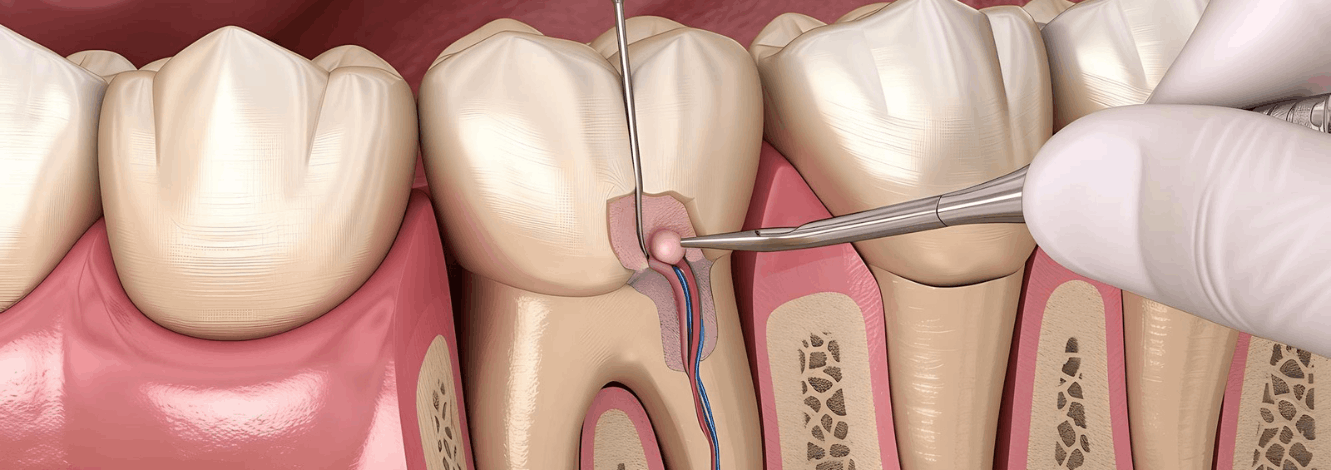
In the tooth, there is a small space containing nerves and blood vessels. When deep decay infects this area, the dentist needs to remove the infected tissue.

During the root canal treatment, the dentist:

  1. Numbs the tooth so you remain comfortable during the procedure.
  2. Removes the infected tissue from inside the tooth.
  3. Cleans the inside of the tooth to remove bacteria and infection.
  4. Seals the cleaned space to help prevent further infection.
  5. Restores the tooth with a filling or crown, depending on how much tooth structure remains.

The aim is to remove the infection while saving your natural tooth.

Is Root Canal Treatment Better Than Tooth Extraction?

If a tooth can be safely repaired, keeping your natural tooth is always a better option than removing it.

Your natural tooth helps you chew normally and keeps the surrounding teeth in their usual positions. Removing it also leaves a space that may later need to be replaced with an implant, bridge, or another dental solution.

What Can Happen If You Ignore a Deep Cavity?

A cavity does not heal or go away on its own.

You may have little or no pain at first, but the decay can continue to spread. If it reaches the pulp, infection can develop. Over time, this may lead to:

  • Increasing tooth pain
  • Swelling around the tooth
  • An abscess
  • Pain while chewing
  • Infection spreading to nearby tissues
  • Loss of the tooth

This is why it is important to get early treatment on Deep Cavity and avoid more complicated dental problems later.

Can a Tooth Need a Root Canal Without Severe Pain?

Yes. The seriousness of a dental problem does not always depend on how much pain there is.

Sometimes a tooth can have a deep infection without having continuous pain. In other cases, the pain may come and go, which can make you think the problem has gone away.

If you have a known deep cavity, repeated sensitivity, or a tooth that has changed colour, it is better to have it checked instead of waiting for severe pain.

How Does a Dentist Decide Whether a Tooth Can Be Saved?

A dentist does not decide this just by looking at the cavity. They may check:

  • How deep the decay has reached
  • Whether the tooth nerve is infected
  • How much healthy tooth structure remains
  • The condition of the tooth roots
  • Whether there is a crack or fracture
  • The condition of the gums and surrounding bone

The dentist may also take an X-ray to understand what is happening below the visible part of the tooth. After the examination, the dentist can explain whether the tooth can be saved with root canal treatment or what other treatment would be suitable.

What Happens After Root Canal Treatment?

The tooth may feel slightly sensitive or uncomfortable for a short time after treatment, especially if there was already an infection around it. Your dentist will guide you on eating, cleaning the tooth, and any other care you may need.

If a large part of the tooth has been damaged by decay, the dentist may recommend a crown. A crown covers and protects the remaining tooth and helps restore its function.

Regular brushing, flossing, and dental check-ups are important after dental treatment. A tooth that has received treatment can still develop decay if you do not care for it properly.

When Should You Visit a Dentist?

If you have a cavity that causes minor pain, then don’t wait for it to become severe pain. Schedule a dental check-up if you notice the following:

  • A visible hole or dark spot on a tooth
  • Sensitivity that keeps returning
  • Pain when chewing
  • Food repeatedly getting stuck around one tooth
  • Swelling near the tooth
  • A broken or weakened tooth
  • A filling that has fallen out

Early treatment can give you more options for protecting the tooth. Visit the best root canal clinic in Bandra and explore a better dental solution for your infected teeth.

Final Thoughts

A cavity may look small on the outside but can sometimes become much deeper inside the tooth. Once decay reaches the nerve, treatment becomes more important.

The good news is that a deep cavity does not always mean tooth extraction. If the tooth is still strong enough to repair, Root Canal Treatment can remove the infection and help you keep your natural tooth.

The best way to know what your tooth needs is to get it examined by a dentist. Early attention can make treatment simpler and may give you a better chance of saving the tooth.

At 1 Stop Dental Clinic, patients can discuss their dental concerns and understand the treatment options suitable for their teeth. If you are looking for the Best Root Canal Treatment in Bandra, a proper dental examination is the right place to start.

Ready to Start?

Explore how root canal treatment can help save a deeply decayed tooth by treating the infection, preserving the natural tooth structure, and restoring comfortable function with the right dental care.

How Modern Dental Crowns Are Designed to Look and Feel Like Natural Teeth

Posted on: August 31st, 2026 by Nishi_Xenia

How Modern Dental Crowns Are Designed to Look and Feel Like Natural Teeth

Dental Crown Treatment

When a damaged or weakened tooth needs a crown, most patients want more than a restoration that simply covers it. They want the tooth to look natural when they smile and feel comfortable when they eat or speak. Questions about colour, shape, fit and comfort are therefore common before Dental Crown Treatment begins.

Modern dentistry uses improved restorative materials, digital scanning and detailed treatment planning to address these concerns. But technology is only one part of the process. The dentist also considers the condition of the tooth, surrounding teeth, gums, bite and overall smile before designing the restoration.

What Is a Dental Crown?

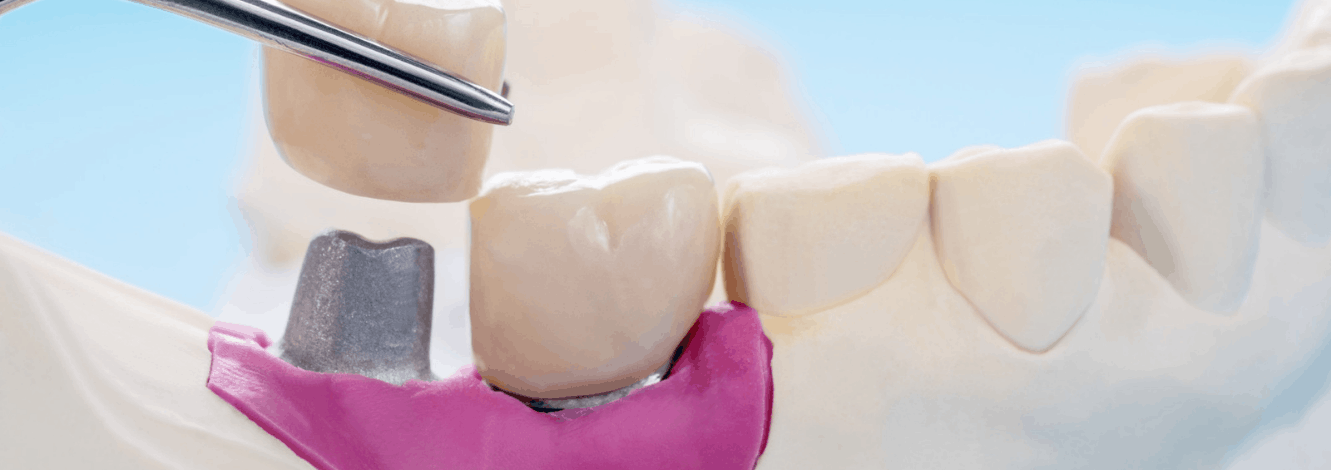
A dental crown is a custom-made restoration that covers a damaged or weakened tooth. It can restore the tooth’s shape, strength, function and appearance when a filling may not provide enough support.

A dentist may recommend Dental Crown Treatment for a tooth that has:

  • Extensive decay or damage
  • A crack or significant weakness
  • Undergone root canal treatment
  • Become severely worn
  • A major structural or cosmetic concern

Before recommending a crown, the dentist examines the tooth and surrounding tissues. The restoration should support the tooth while fitting comfortably with the rest of the bite.

What Makes a Dental Crown Look Natural?

A natural-looking crown involves more than matching the colour of the neighbouring teeth. Its shape, proportions, surface characteristics and relationship with nearby teeth all influence the final appearance. So, it is important to design the dental crown treatment plan carefully with the following parameters.

1. Tooth Colour and Translucency

Natural teeth contain subtle variations in colour and translucency. They do not usually appear as a completely uniform shade.

Modern ceramic materials can reproduce some of these visual qualities. The dentist and dental laboratory consider the colour of the surrounding teeth when selecting and customising the restoration.

This helps Natural-looking dental crowns blend more naturally instead of appearing noticeably different from adjacent teeth.

2. Shape and Proportions

The crown needs to suit the size and shape of the tooth being restored. Its length, width, contours and position can all affect the appearance of the smile.

For a front tooth, even a small difference in proportion may become noticeable when a person smiles. The dentist therefore considers neighbouring teeth and the overall smile rather than designing the crown in isolation.

3. Surface Detail

Natural enamel has subtle surface characteristics that influence how it reflects light. A restoration with completely uniform contours may look less lifelike.

The crown can be shaped and finished to create surface characteristics that complement the surrounding teeth.

How Are Modern Dental Crowns Designed?

The design process usually begins with an examination and treatment plan. The dentist assesses the damaged tooth, neighbouring teeth, gums and bite before deciding how the restoration should be made.

Digital scanning can provide a detailed record of the teeth and surrounding structures. Instead of relying solely on traditional physical impressions, an intraoral scanner can create a digital model that the dental team can use during the dental crown treatment.

Digital records can help with:

  • Capturing the shape of the prepared tooth
  • Recording the position of surrounding teeth
  • Assessing the bite
  • Communicating details with the dental laboratory

Supporting the design of the restoration

How Does a Crown Feel Like a Natural Tooth?

Appearance matters, but comfort and function are equally important in dental crown treatment. A crown should fit within the patient’s bite without feeling unnecessarily high or interfering with normal chewing.

The dentist checks how the upper and lower teeth meet and considers the available space before final placement. The contact between the crown and neighbouring teeth also needs careful attention.

After placement, some temporary sensitivity may occur. However, persistent pain, discomfort when biting or a feeling that the crown is too high should be assessed by a dentist.

A crown also requires normal oral hygiene. Brushing, cleaning between the teeth and regular dental examinations remain important after dental implant treatment because the surrounding gums and natural tooth structure still need protection.

Which Materials Are Used for Dental Crowns?

The choice of crown material depends on the tooth’s location, remaining structure, bite forces, aesthetic requirements and overall oral health.

Common options include:

  • All-ceramic crowns for highly aesthetic areas
  • Zirconia crowns where strength and appearance both need consideration
  • Porcelain-fused-to-metal crowns in selected situations
  • Other tooth-coloured restorative materials based on individual requirements

There is no single crown material that suits every patient. Before starting the dental crown treatment, a dentist can explain the advantages and limitations of each suitable option after examining the tooth.

What Happens During Dental Crown Treatment?

The exact process varies from patient to patient, but Dental Crown Treatment generally involves several stages.

1. Examination and Planning

The dentist evaluates the tooth, gums, bite and surrounding teeth. Digital scans or other diagnostic records may be taken when appropriate.

2. Tooth Preparation

The tooth is carefully shaped to create space for the crown while preserving as much healthy tooth structure as possible.

3. Digital Scan or Impression

The prepared tooth is recorded using a digital scan or conventional impression, depending on the case and available workflow.

4. Crown Fabrication

The dental laboratory creates the restoration according to the required shape, shade, dimensions and functional requirements.

5. Fitting and Placement

The dentist checks the crown’s fit, appearance, contacts and bite before permanently placing it. Minor adjustments may be necessary to achieve a comfortable fit.

How Long Can a Dental Crown Last?

The lifespan of a crown varies. Factors such as the material, bite forces, oral hygiene, condition of the supporting tooth and regular dental care can influence how long it remains functional.

A crown should not automatically be considered a lifetime restoration. Good oral hygiene and routine dental examinations after the dental crown treatment can help to identify problems early and support the longevity of the restoration.

Patients can also protect their crowns by avoiding habits such as chewing hard objects and following their dentist’s recommendations, particularly if they grind or clench their teeth.

What Should You Consider Before Getting a Crown?

A successful restoration starts with the right diagnosis. The dentist should determine why the tooth needs treatment and whether a crown is the most suitable option.

During a consultation, patients can ask about:

  • The condition of the tooth
  • Suitable crown materials
  • Expected treatment stages
  • Bite and comfort considerations
  • Cleaning and maintenance
  • Alternative treatment options

This is particularly important because a crown may not be the right choice for every damaged tooth. The dentist needs to consider the amount of healthy tooth structure remaining and the overall condition of the mouth.

For patients considering Dental crown treatment in Bandra, an in-person assessment can help determine whether a crown is appropriate and which restoration may suit their functional and aesthetic needs. Patients looking for restorative care at a Dental Clinic in Bandra, Mumbai can discuss these factors with a dental professional before proceeding.

Final Thoughts

Modern Dental Crown Treatment combines careful clinical assessment with improved materials and digital techniques to create restorations that can look natural and function comfortably.

The most natural result does not come from technology alone. Tooth preparation, crown design, shade selection, bite, surrounding teeth and professional judgement all contribute to the final restoration.

At 1 Stop Dental Clinic, patients can discuss their restorative concerns and learn which crown options may suit their tooth, oral health and smile. A personalised assessment can help determine the appropriate approach rather than choosing a restoration based only on appearance or material.

Ready to Start?

Explore how modern dental crowns combine advanced technology and personalised design to restore your smile with a natural-looking appearance, comfortable fit, and confident function.

Digital Smile Design vs Traditional Smile Makeover

Posted on: August 25th, 2026 by Nishi_Xenia

Digital Smile Design vs Traditional Smile Makeover: How Technology Has Changed Cosmetic Dentistry

Digital Smile Design

When people consider improving their smile, they often think about changes such as tooth colour, shape, alignment, or overall symmetry. A smile makeover brings these different aspects together to create a more balanced appearance based on the individual’s teeth, gums, facial features, and expectations. Traditionally, dentists have relied on clinical examinations, photographs, physical models, and their experience to plan these changes. With advances in dental technology, the way dentists visualise and plan cosmetic treatments has evolved.

This is where Digital Smile Design has changed the approach to smile planning. By using digital photographs, scans, and visualisation tools, dentists can assess the smile in greater detail and give patients a clearer understanding of the proposed treatment. Understanding the difference can help patients make informed decisions about cosmetic dental treatment.

What Is Digital Smile Design?

Digital Smile Design is a digital approach to analysing and planning a patient’s smile. It considers the relationship between the teeth, gums, lips, and surrounding facial features rather than looking at individual teeth alone.

During planning, a dentist may assess:

  • Tooth shape, size, and proportions
  • Smile symmetry and gum display
  • Facial proportions
  • Tooth alignment and bite
  • Existing dental concerns
  • The patient’s aesthetic preferences

Digital photographs and scans can bring these details together during treatment planning. The purpose is to develop a smile plan that suits the patient’s facial characteristics and oral health instead of simply copying a standard smile shape.

How Does Digital Smile Design Work?

The process generally begins with a consultation and detailed smile assessment. The dentist first understands what the patient wants to change and examines the health and condition of the teeth and gums.

Digital records may then support the planning process. Depending on the case, these can include photographs, digital scans, and other diagnostic information. The dentist can use these records to evaluate how proposed changes may affect the overall smile.

In some cases, digital visualisation can help patients see the proposed direction of treatment before it begins. This makes conversations about details such as tooth length, shape, proportions, and overall appearance easier to understand.

What Is a Traditional Smile Makeover?

A traditional smile makeover also starts with a detailed dental examination and discussion of the patient’s expectations. The dentist evaluates the teeth, gums, and bite before recommending suitable cosmetic treatments.

Traditionally, dentists have used tools such as:

  • Clinical examination
  • Dental photographs
  • Physical impressions
  • Study models
  • Shade assessment
  • Wax-ups or physical mock-ups

These methods remain clinically useful. A traditional approach does not mean outdated dentistry. Dentists still rely on professional judgement, clinical examination, and diagnostic records to develop an appropriate treatment plan.

The main difference between digital smile design and traditional smile makeover lies in how information is captured, combined, visualised, and communicated during planning.

Digital Smile Design vs Traditional Smile Makeover: What Has Changed?

The biggest change is not that digital technology has replaced conventional dentistry. Instead, it has added new ways to visualise information and communicate treatment plans.

1. More detailed smile analysis

Traditional planning can rely heavily on photographs, physical models, and the dentist’s clinical assessment. With digital smile design planning, photographs and scans can be combined to study the smile more visually.

This can help the dentist consider tooth proportions, facial relationships, and the overall appearance of the smile while discussing possible changes with the patient.

2. Easier communication with patients

Cosmetic dental treatment can be difficult to understand when changes are explained only through words or physical models. Digital visualisation can make the discussion more interactive.

A patient may find it easier to understand how changes to tooth shape, size, or alignment could affect the overall appearance of the smile. Digital smile design also allows the patient to discuss preferences before treatment begins.

3. More personalised treatment planning

A cosmetic treatment plan should suit the individual rather than follow one standard template. Digital records can help dentists consider facial proportions and smile characteristics while planning appropriate cosmetic changes.

Depending on the patient’s needs, this approach may support treatments such as veneers, teeth whitening, gum contouring, bonding, crowns, or orthodontic correction. The dentist still needs to determine which option suits the patient’s oral health and goals.

How Has Technology Changed Cosmetic Dentistry?

Technology has influenced several stages of modern cosmetic dentistry, particularly diagnosis, communication, and treatment planning.

1. Digital photography

High-quality photographs can help dentists evaluate the smile from different angles and document its starting condition. They can also support communication when discussing possible changes.

2. Digital scanning

Digital scanners can capture detailed information about the teeth and oral structures without relying exclusively on traditional physical impressions. This can make the digital planning process more convenient for suitable cases.

3. Smile visualisation

Digital tools can help patients understand possible changes before committing to treatment. Seeing a proposed direction can make it easier to discuss expectations with the dentist.

4. Digital treatment planning

Different records can be brought together to support a more organised planning process. However, technology does not replace clinical examination. The dentist still needs to assess the health of the teeth, gums, bite, and surrounding structures before recommending treatment.

What Should Patients Consider Before Choosing a Smile Makeover?

Technology is only one part of cosmetic dental planning. Patients should also consider the health of their teeth and gums, the condition of their bite, their treatment goals, and the long-term suitability of the recommended procedure.

A good consultation should cover:

  • The dental concerns that need attention
  • Suitable cosmetic treatment options
  • What each option can and cannot change
  • Expected treatment stages
  • Maintenance requirements
  • Possible limitations or risks

This helps patients make decisions based on their individual needs rather than choosing a procedure simply because it uses newer technology.

For patients exploring  Smile Designing in Bandra, a professional consultation can help determine whether digital planning is appropriate and which cosmetic options may suit their dental needs.

Final Thoughts

Technology has changed how dentists analyse, plan, and communicate cosmetic dental treatment. Digital Smile Design can make the planning process more visual and collaborative, while traditional diagnostic methods continue to play an important clinical role.

The goal should not be to choose technology simply because it is newer. The right approach combines careful examination, professional expertise, appropriate digital tools, and the patient’s individual goals.

If you are considering a cosmetic smile treatment, discussing your expectations and oral health with a qualified dental professional at 1 Stop Dental Clinic in Bandra can help you understand which planning approach and treatment options are appropriate for you.

Ready to Start?

Discover how Digital Smile Design uses advanced technology to plan a more personalised, natural-looking smile makeover tailored to your facial features and smile goals.

Why a Child’s First Dental Visit Can Shape Their Future Oral Health Experience

Posted on: August 19th, 2026 by Nishi_Xenia

Why a Child’s First Dental Visit Can Shape Their Future Oral Health Experience

Child’s First Dental Visit

A child’s first dental visit can influence how they feel about dental care as they grow. A calm, age-appropriate introduction helps children become familiar with the dental environment while giving parents practical guidance about brushing, diet, developing teeth, and habits that may affect oral health.

The first appointment is not simply about looking for cavities. It can help establish a dental home, identify concerns early, and make regular dental care feel like a normal part of growing up.

Why Is a Child’s First Dental Visit Important?

Children’s teeth and jaws change quickly during the early years. An early dental examination allows a dentist to monitor development, discuss preventive care, and identify concerns that parents may not notice.

The visit may include:

  • Checking the teeth and gums
  • Looking for early signs of tooth decay
  • Assessing tooth development
  • Discussing brushing and fluoride
  • Reviewing diet and oral habits
  • Answering parents’ questions about dental care

Early guidance also helps parents understand what to expect as primary teeth develop and permanent teeth eventually begin to appear.

When Should a Child’s First Dental Visit be?

Ideally, the child’s first dental visit should be within six months of the first tooth appearing and no later than 12 months of age. Parents do not need to wait until their child develops tooth pain or a visible problem. An early visit allows the dentist to assess oral health and provide preventive guidance before problems become more noticeable.

The exact follow-up schedule can vary according to the child’s oral health, tooth development, and risk of dental problems.

What Happens During a Child’s First Dental Visit?

The appointment can vary depending on the child’s age, cooperation, and oral health. With a very young child, the dentist may first speak with the parent and child and explain what will happen.

The appointment may involve:

  • A gentle examination of the teeth and gums
  • Assessment of tooth eruption and development
  • Discussion of brushing and fluoride
  • Guidance about diet and sugary snacks
  • Advice about habits such as thumb sucking or pacifier use
  • Recommendations for future dental visits

Not every child needs the same examination or preventive care. The dentist can adapt the appointment according to the child’s age, comfort, and individual needs.

How Can the Child’s First Dental Visit Influence Future Dental Experience?

The first dental visit introduces a child to people, surroundings, sounds, and routines that may become familiar over time.

A calm and patient approach can help children understand that:

  • Dental visits are part of routine healthcare
  • They can ask questions when they are unsure
  • The dental team is there to help care for their teeth
  • They can communicate when they feel uncomfortable

A positive first appointment does not guarantee that a child will never feel nervous. However, becoming familiar with dental care early may make the setting feel less unfamiliar during future visits.

How Does Early Dental Care Help Children Develop Healthy Habits?

Children learn oral hygiene through repetition and guidance from parents and dental professionals. Early pediatric dental care can reinforce routines that children gradually learn to follow more independently.

Parents can support healthy habits by:

  • Helping children brush twice a day with age-appropriate fluoride toothpaste
  • Cleaning between teeth when advised by a dentist
  • Limiting frequent sugary foods and drinks
  • Encouraging water between meals
  • Keeping recommended dental appointments

Parents remain responsible for much of a young child’s daily oral care. As children grow, supervision can gradually change according to their ability and needs.

How Often Should Children Visit the Dentist?

Children do not all need the same dental visit schedule. The frequency of visits can depend on oral health, tooth development, risk of tooth decay, previous dental findings, and individual needs.

After examining the child, the dentist can recommend when they should return. Regular visits allow the dental team to monitor changes and provide preventive guidance rather than waiting for an obvious problem.

What Should Parents Look for in Children’s Dental Care?

Parents should look for a dental team that communicates clearly, works at an age-appropriate pace, and takes the child’s comfort seriously.

It is also helpful when the dentist explains findings and preventive recommendations in language parents can easily understand. Parents should feel comfortable asking about brushing, fluoride, diet, tooth development, oral habits, and follow-up care.

If you want more practical advice about maintaining your child’s teeth at home, read our related guide on healthy dental habits for children.

Frequently Asked Questions

Many parents have a lot of questions about their children’s dental visit. Here are some that help them to understand what actually happened.

1. What if my child has no dental problems?

A dental visit can still be useful. Regular examinations allow the dentist to monitor developing teeth, discuss preventive care, and identify changes that parents may not notice.

2. How can I prepare my child for their first dental visit?

Explain that the dentist will look at their teeth and help keep them healthy. Avoid frightening words and negative stories about dental treatment. Keep the explanation simple and allow your child to ask questions.

3. What if my child is afraid of the dentist?

Tell the dental team about your child’s concerns before the appointment. The dentist may adjust the pace of the visit or use age-appropriate explanations based on the child’s needs.

4. How does early dental care benefit children?

Early dental care allows dentists to monitor oral development, identify concerns, provide preventive guidance, and help children become familiar with regular dental visits.

Choosing Dental Care for Your Child’s First Dental Visit

Families searching for the pediatric dentist in Bandra should look beyond a ranking or marketing claim. Factors such as communication, a child-friendly approach, preventive guidance, and the ability to adapt care to a child’s age and needs can be more useful when choosing a dental provider.

For parents looking for child dental care in Bandra, an initial consultation can help them understand their child’s current oral health and recommended next steps.

1 Stop Dental Clinic in Bandra lists Paediatric Dentistry among its dental services and provides comprehensive dental care for patients of different age groups. Its website also describes a patient-focused environment and a team covering different areas of dental care.

Final Thoughts

A child’s first dental visit can be a small but meaningful step toward making oral care familiar as they grow. It gives parents professional guidance while helping children become accustomed to regular dental checkups.

The goal is not to make every appointment perfect. It is to build a routine where children learn that caring for their teeth is a normal part of growing up.

If you are considering a dental checkup for children in Bandra, a professional assessment can help you understand your child’s current oral health and the appropriate next steps.


Ready to Start?

Give your child a positive start to dental care by making their first visit comfortable and reassuring. Discover how early dental visits can help build healthy habits, confidence, and a positive attitude toward oral health.

The Hidden Lifestyle Benefits Patients Experience After Replacing Missing Teeth with Dental Implant Treatment

Posted on: August 17th, 2026 by Nishi_Xenia

The Hidden Lifestyle Benefits Patients Experience After Replacing Missing Teeth with Dental Implant Treatment

Dental Implant Treatment

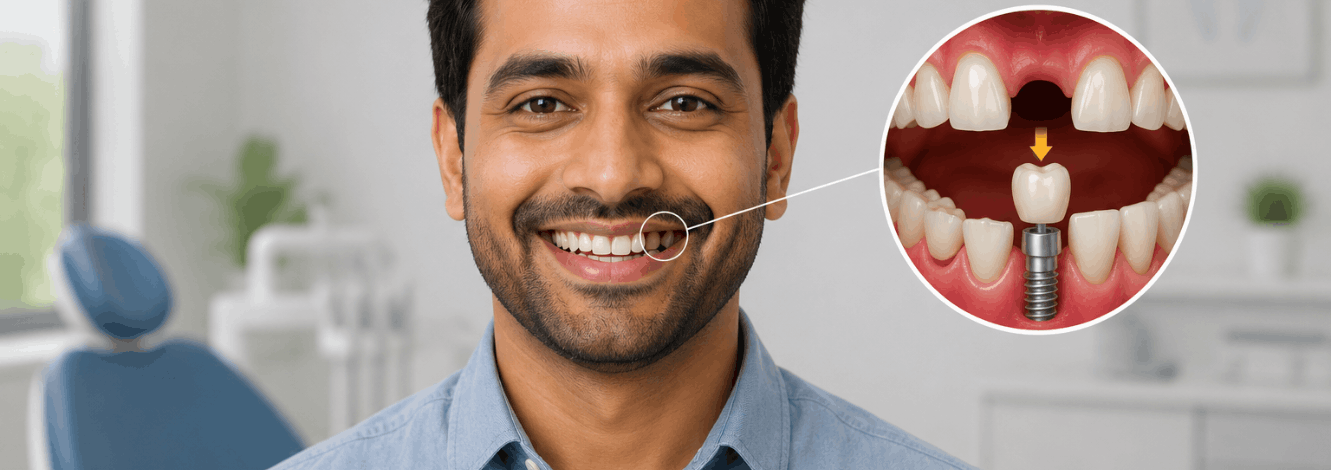
A missing tooth can affect much more than the way a smile looks. It can change how you chew, speak, choose food, smile in photographs, and feel in social situations. Dental Implant Treatment can help restore the function and appearance of a missing tooth, while offering a stable foundation for a natural-looking replacement. Many people gradually adapt to tooth loss without noticing it, chewing on one side, avoiding certain foods, or becoming more conscious while talking.

Replacing a missing tooth can restore more than the visible gap. Dental implants are designed to replace the tooth root and support a dental crown, helping restore everyday function and the appearance of a complete smile. However, the right approach depends on bone health, gum condition, bite, and overall oral health.

So, what lifestyle changes can you expect after dental implant treatment? The answer goes beyond aesthetics.

Why Should Missing Teeth Be Replaced?

For many patients, replacing missing teeth with dental implant treatment offers a stable way to restore a missing tooth without depending on neighbouring teeth for support. Your dentist places the implant in the jawbone and, after healing, attaches a custom dental crown.

Replacing missing teeth with dental implants can provide a stable way to restore a missing tooth while supporting everyday functions such as chewing, speaking, and smiling in a natural way.

Hidden Lifestyle Benefits of Dental Implants

Dental implants are designed to replace the root of a missing tooth and support a dental crown. Once the implant has healed and the final restoration is placed, it can function as part of your overall bite.

Every patient has a different experience, but several practical changes may become noticeable after successful Dental Implant Treatment.

1. Eating Can Feel More Natural

People with missing teeth may avoid or modify foods such as crunchy vegetables, firm fruits, nuts, or chewy foods. They may also favour one side of the mouth while eating.

Once the implant-supported crown has healed and your dentist confirms that you can use it normally, you can work towards a more natural eating pattern. Healing takes time, so your dentist will advise you about diet during recovery.

2. Speaking May Feel More Comfortable

Teeth help shape certain sounds. A missing tooth can sometimes affect pronunciation, particularly when a front tooth is involved. Even when speech is not noticeably changed, a person may become more aware of the gap while talking.

A carefully planned restoration replaces the missing tooth structure and can make speaking feel more natural. When you feel less concerned about your smile while talking, conversations may also feel easier.

3. Smiling Can Feel Less Self-Conscious

A gap in the smile can influence how often someone smiles. You may cover your mouth, avoid wide smiles, or feel uncomfortable in photographs.

A dental implant can restore the appearance of the missing tooth with a crown designed to complement the surrounding teeth. These are among the practical Benefits of dental implants that patients may notice in everyday life.

4. Everyday Social Moments Can Feel Easier

A missing tooth can become a small source of distraction during meetings, dinners, celebrations, or conversations. You may wonder whether the gap is noticeable or feel hesitant while laughing or speaking.

Implants do not automatically change confidence. Instead, restoring a concern that was affecting your comfort can remove one barrier to feeling at ease.

5. You May Stop Adjusting Your Daily Habits

People often develop small workarounds when they have missing teeth, such as chewing mainly on one side or choosing softer foods.

A successful restoration can reduce the need for these adjustments after treatment and appropriate implant healing.

6. Dental Function Can Be Restored More Completely

A dental implant replaces the root portion of a missing tooth, while a crown restores the visible part. This allows the restoration to function as part of the dental arch rather than simply covering the empty space.

Good planning is important. Your dentist needs to assess the implant site, surrounding teeth, gums, bite, and available bone before recommending treatment. Some patients may need additional procedures such as bone grafting.

This is why professional evaluation is an essential part of Dental Implant Treatment. Your dentist chooses the most suitable solution based on your individual case.

What Lifestyle Changes Can You Expect After Dental Implant Treatment?

Every patient experiences treatment differently, but possible everyday changes include:

  • Eating a broader range of foods with greater comfort after healing
  • Speaking without worrying about a visible gap
  • Smiling more naturally in photographs and conversations
  • Feeling less conscious during social or professional interactions
  • Reducing habits such as chewing mainly on one side
  • Restoring a more complete dental arch

How Do Dental Implants Improve Quality of Life?

Quality of life is not only about having a complete-looking smile. It is also about being able to eat, speak, smile, and interact without constantly adapting to a missing tooth.

Dental implants can combine functional tooth replacement with a natural-looking restoration. For the right candidate, this can make everyday activities feel more familiar and less restricted.

Your dentist will also consider factors such as oral hygiene, bone and gum health, treatment planning, healing, and ongoing maintenance when assessing the expected outcome.

Is Dental Implant Treatment Suitable for Everyone?

A consultation helps your dentist determine whether Dental Implant Treatment suits you. Your dentist may assess:

  • The location and condition of the missing tooth
  • Jawbone volume and quality
  • Gum health
  • The condition of neighbouring teeth
  • Your bite and chewing pattern
  • Oral hygiene and healing considerations

Some patients need preliminary treatment before implant placement. Others may qualify for immediate or staged treatment. A personalised evaluation helps you understand the available options and expected timeline.

Are You Looking for An Expert Dental Implant Treatment in Bandra?

Choosing an implant provider involves more than looking at the final appearance. Ask how your oral health will be assessed, how treatment will be planned, what restoration is appropriate, and how follow-up care will be managed.

Patients exploring dental implant treatment can discuss these questions during a professional consultation. At 1 Stop Dental Clinic, dental implants are part of its restorative dental care, alongside crowns and bridges, gum treatments, and bone grafting.

Final Thoughts

Replacing a missing tooth can influence much more than your smile. The real lifestyle benefits may appear in simple moments: enjoying a meal, speaking comfortably, smiling for a photograph, or joining a conversation without thinking about the gap.

Dental Implant Treatment can offer a long-term tooth replacement option for suitable patients, but the decision should follow a detailed dental evaluation rather than a one-size-fits-all recommendation.

If you are considering missing teeth replacement, a consultation can help you understand whether Dental Implants are appropriate for your oral health and what other options may be available.

Ready to Start?

Replace missing teeth with dental implants to restore comfort, confidence, and ease in everyday life. Explore a treatment plan designed around your smile and oral health.

Why Teeth Continue to Move Throughout Life-And How Invisalign Treatment Helps Correct Age-Related Shifting

Posted on: July 30th, 2026 by Nishi_Xenia

Why Teeth Continue to Move Throughout Life-And How Invisalign Treatment Helps Correct Age-Related Shifting

Invisalign Treatment

Most people think that once their adult teeth settle in, that is it. No more changes, no more movement, just the same smile for the rest of their life. But that is not quite how it works. Teeth are constantly under pressure from chewing, speaking, ageing, and even sleeping habits. Over the years, this pressure causes them to shift slowly, sometimes so gradually that you do not notice until your smile looks noticeably different one day. This slow movement over time is something dentists see very commonly in adults of all ages. It has a name – age related shifting, and the good news is that it can be corrected. Invisalign Treatment is one of the most trusted and comfortable ways to bring teeth back into proper alignment, without metal braces or complicated procedures.

In this blog, we will break down why teeth keep moving as we age, what signs to look out for, and how Invisalign Treatment helps fix it in a way that fits easily into everyday life.

Why Do Teeth Move Throughout Life?

Many people assume that once a tooth is fully grown, it stays in the exact same spot forever. In truth, teeth are held in place by soft tissue, bone, and ligaments, all of which change slowly as we age.

Here are the main reasons teeth keep moving:

  • Natural ageing of the jawbone and gums – As we grow older, the bone and tissue supporting our teeth shift slightly, allowing teeth to drift.
  • Constant pressure from chewing and speaking – Every bite and every word puts small amounts of pressure on your teeth, and over decades, this adds up.
  • Loss of wisdom teeth – When wisdom teeth are removed, nearby teeth can shift to fill the space.
  • Grinding or clenching at night – This puts uneven pressure on certain teeth, pushing them out of place.
  • Gum disease or bone loss – Weaker gum support makes it easier for teeth to move.
  • Old orthodontic relapse – Teeth that were once straightened with braces can slowly shift back if retainers are not worn as advised.

This slow drifting is considered a normal part of getting older. It is not something you did wrong. It is simply how the mouth changes with time.

What Does This Shifting Look Like?

Patients often describe similar changes when their teeth move with age. You may see:

  • Lower front teeth becoming more crowded
  • New gaps appearing between teeth
  • A tooth that looks slightly rotated
  • Your bite feeling different when you chew
  • Old retainers or aligners no longer fitting properly

If any of this sounds familiar, it does not always mean something is wrong with your oral health. It simply means your teeth have moved over the years, and a professional evaluation can confirm what is happening.

How Invisalign Treatment Helps with Moving Teeth

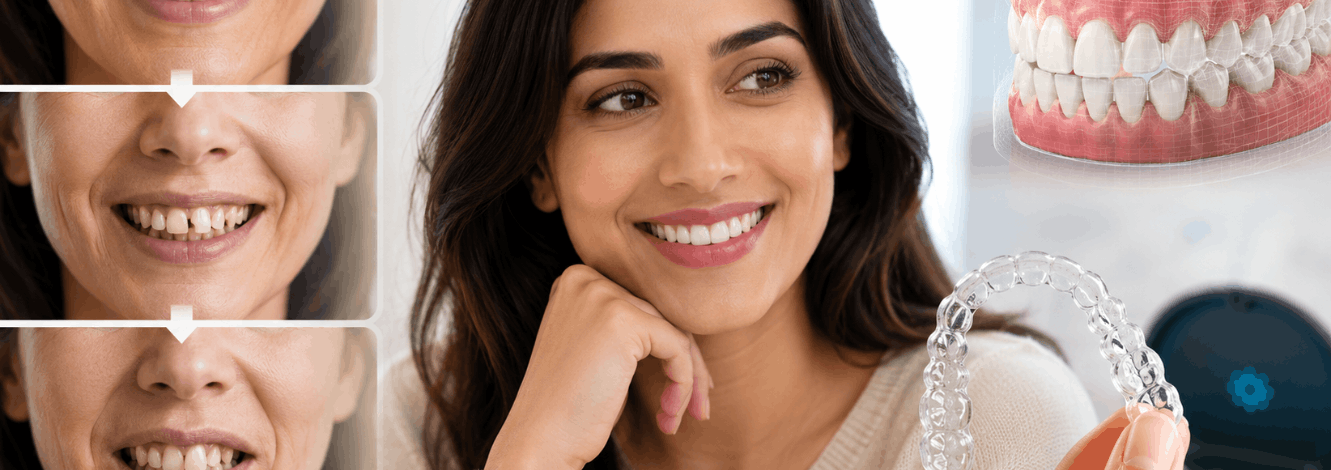
This is where Invisalign Treatment makes a real difference. Invisalign helps with moving teeth by using a series of clear, custom-made aligners that gently and gradually shift teeth back into their correct position.

Unlike traditional braces, Invisalign Treatment works quietly in the background of your daily life. The aligners are virtually invisible, removable for eating and cleaning, and comfortable enough to wear during work meetings, social events, or daily conversations.

Here is how Invisalign helps with moving teeth caused by age related shifting:

1. Gentle, Gradual Movement

Each set of aligners applies light, controlled pressure to specific teeth. Over a period of weeks, this slowly corrects crowding, gaps, and minor rotations.

2. Custom Treatment Planning

Before starting Invisalign Treatment, your dentist takes detailed scans and images of your teeth. This helps create a clear, step-by-step plan based on exactly how your teeth have drifted over the years.

3. Comfortable for Adults

Many adults avoid metal braces because of how they look at work or in social settings. Invisalign Treatment offers a more discreet option that fits naturally into an adult lifestyle

4. Helps Prevent Further Movement

Once your teeth are guided back into a healthier position, your dentist may recommend a retainer. This helps maintain the results and reduces the chances of age-related shifting happening again.

Is Invisalign Treatment Only for Crooked Teeth?

This is a common question, and the answer is no. Invisalign Treatment is not only meant for severely crooked teeth. It is also an effective option for:

  • Mild to moderate crowding that builds up with age
  • Small gaps that have developed over the years
  • Teeth that have relapsed after old braces
  • Minor bite changes noticed later in life

A simple consultation with your dentist can help determine whether Invisalign Treatment is the right fit for your specific concern.

Why Choose Professional Evaluation Before Starting Treatment

Every mouth is different, and the amount of movement varies from person to person. Before recommending Invisalign Treatment, a dentist will usually check:

  • The position and alignment of your teeth
  • The health of your gums and supporting bone
  • Your bite pattern
  • Any history of teeth grinding or previous orthodontic treatment

This careful evaluation helps ensure the treatment plan is safe, realistic, and suited to your needs. It also helps avoid any unnecessary or rushed decisions about your oral health.

How Long Does Invisalign Treatment Take to Correct Shifting?

The treatment time depends on how much movement is needed. For mild cases, Invisalign Treatment may take a few months. For more noticeable drifting, it can take longer.

Your dentist will give you a realistic timeline after reviewing your scans, so you know what to expect from the start.

Simple Ways to Protect Your Smile After Treatment

Once your Invisalign Treatment is complete, a few simple habits can help keep your results lasting longer:

  • Wear your retainer as recommended
  • Avoid skipping dental check-ups
  • Manage teeth grinding if you have this habit
  • Maintain good oral hygiene
  • Address any gum concerns early

These small steps can make a big difference in keeping your smile stable for years to come.

Final Thoughts

Teeth shifting with age is a natural process, not a sign of poor dental care. As we grow older, gradual changes in the jaw, gums, and daily habits can slowly move teeth out of place. Understanding why this happens makes it easier to address with the right treatment.

For many adults, Invisalign Treatment offers a comfortable, low-key way to correct this movement without disrupting daily life. If you have started noticing changes in your smile, a professional evaluation can help you understand exactly what is happening and what your options are.

At a trusted dental clinic in Bandra, like 1 Stop Dental Clinic, treatment plans are built around your individual smile, your concerns, and your daily lifestyle. Whether you have started noticing your teeth shifting over the years or simply want to understand your options, our dental clinic in Bandra offers a friendly, judgment-free place to start.

Ready to Start?

Learn how teeth can naturally shift over time due to aging and everyday factors, and discover how Invisalign treatment can effectively correct these changes to restore a healthier, straighter, and more confident smile.

Why Dental Implants Are a Better Alternative to Removable Teeth

Posted on: July 24th, 2026 by Nishi_Xenia

Why Dental Implants Are a Better Alternative to Removable Teeth

Dental Implants

Losing a tooth changes more than your appearance, it affects how you chew, speak, and feel day to day. If you are weighing your options, chances are you have come across two main choices: dental implants and removable dentures.

This blog breaks down dental implants compared to removable tooth replacements so you can decide what is right for your smile.

What Are Dental Implants?

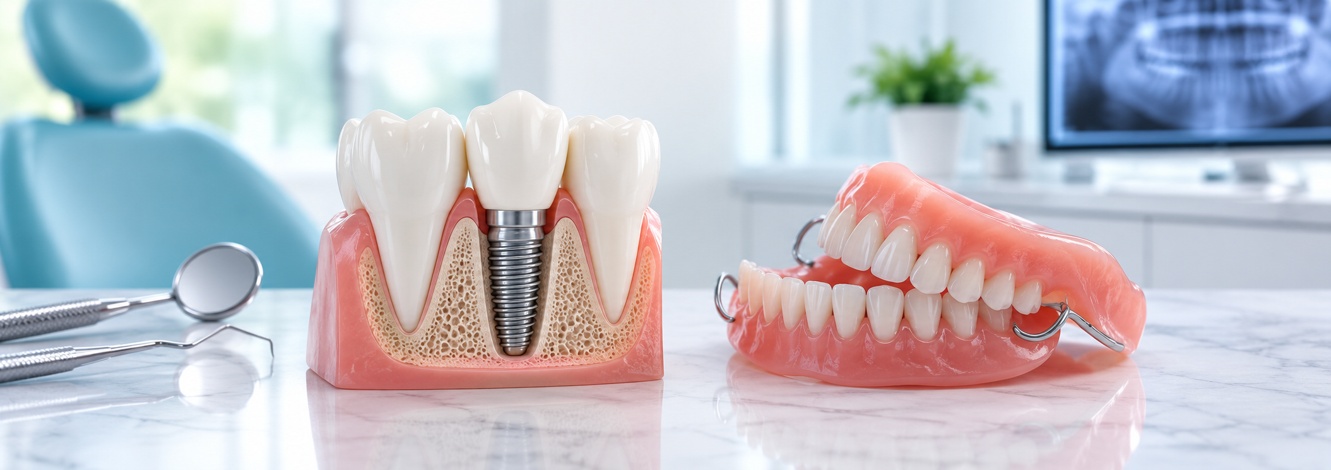
A dental implant is a titanium fixture that a dentist places into the jawbone to serve as a root for a missing tooth. As the surrounding bone heals and fuses around it, a process called osseointegration, a custom crown is attached on top to restore the visible tooth.

The result is a replacement that looks and functions much like a natural tooth.

What Are Removable Teeth?

Removable teeth, commonly known as dentures, are prosthetic replacements that rest on the gum surface. They come in two forms, partial dentures for one or a few missing teeth, and full dentures for an entire arch.

Many patients find them inconvenient over time, they require removal for cleaning, rely on adhesives, and offer reduced chewing efficiency.

Dental Implants Compared to Removable Tooth Replacements: Key Differences

Here is how these two solutions differ across the factors that matter most.

1. Stability and Day-to-Day Comfort

Removable dentures use suction or adhesive to stay in place, so they can shift a bit while eating or talking. Many wearers find that annoying.

Implants are fixed directly into the jawbone. Once placed, they stay put. You can eat, laugh, and speak without giving your teeth a second thought.

2. Jawbone Health

After a tooth is lost, the jawbone in that area begins to lose density over time because it is no longer receiving stimulation from a root. This gradual shrinkage can alter the shape of the face, causing the cheeks to appear hollow and the jaw to look narrower.

Removable dentures rest on the gum surface and offer no stimulation to the bone beneath. Implants, by contrast, function like natural roots, they transmit pressure into the bone during chewing, which keeps it active and healthy.

One of the most significant benefits of dental implants is this ability to preserve the jawbone, something no removable alternative can offer. When patients discover this, it often becomes one of the deciding benefits of dental implants for their situation.

3. Chewing and Eating

Many people with removable teeth quietly give up on certain foods, hard fruits, chewy proteins, crunchy vegetables, because the denture cannot handle the force required. This can gradually limit nutrition and overall quality of life.

With implants, biting force is restored close to natural levels. Patients can return to eating without restrictions, which is one of the most appreciated benefits of dental implants reported after treatment.

4. Oral Hygiene Routine

Removable teeth must be taken out each night, soaked, and brushed separately. If this routine slips, bacteria can accumulate underneath the denture and irritate the gums.

Implants are cleaned the same way as natural teeth, regular brushing and flossing is all that is needed. There are no soaking tablets, no adhesive pastes, and no separate cleaning steps. When comparing dental implants compared to removable tooth options on hygiene alone, the difference in daily convenience is significant.

5. How Long They Last

Removable dentures typically need adjustment or full replacement every five to ten years as the jaw and gum shape continue to change. This means repeated costs and clinic visits over time.

With proper oral hygiene and routine dental check-ups, Dental Implants can last for many years, often well beyond a decade.

Benefits of Dental Implants: A Quick Summary

  • Fixed and stable – no movement, no adhesive required
  • Bone preservation – stimulates the jaw and prevents shrinkage
  • Natural-looking results – custom-made to blend with surrounding teeth
  • Simple maintenance – brush and floss like normal teeth
  • No food restrictions – full chewing function restored
  • Long-lasting – can serve you for decades with good care
  • Improved confidence – no anxiety about slipping or falling out

The benefits go beyond how your smile looks, they extend to how your jaw functions, how you eat, and how you feel day to day.

Are Implants Safe?

Yes. Titanium implants have been used in dentistry for decades with a strong safety record. The material is biocompatible, the body accepts it and bone tissue bonds to it naturally over time.

Candidacy still depends on individual health factors. Bone density, gum condition, and medical history all play a role, so a proper evaluation with a qualified dentist is essential before proceeding.

Who Is a Suitable Candidate?

Most healthy adults who have lost one or more teeth can explore this option. You are likely a good candidate if:

  • Your jawbone has sufficient density to support the post
  • Your gums are in good condition
  • You do not have unmanaged systemic conditions affecting healing
  • You do not smoke, or are willing to stop before and during treatment
  • You are ready to attend follow-up appointments as needed

A detailed assessment, including X-rays or a 3D scan, will help your dentist confirm the right course of action.

Final Thoughts

For patients who are eligible, dental implants offer something that removable teeth simply cannot, a stable, long-term solution that works for our body rather than sitting on top of it.

At 1 Stop Dental Clinic in Bandra, Mumbai, each patient receives a personalised treatment plan designed around their oral health needs and long-term goals. Whether you are exploring this option for the first time or reconsidering an existing denture solution, consulting a trusted dental clinic in Bandra is the best starting point for making an informed choice.

Ready to Start?

Discover why dental implants offer a more stable, natural-looking, and long-lasting solution compared to removable teeth, helping you eat, speak, and smile with greater confidence.

How Modern Technology Makes Root Canal Treatment More Precise and Pain-Free

Posted on: July 20th, 2026 by Nishi_Xenia

How Modern Technology Makes Root Canal Treatment More Precise and Pain-Free

Root Canal Treatment

Many people still associate a root canal with pain, discomfort, and multiple dental visits. These concerns often stem from outdated experiences or common myths that no longer reflect modern dentistry.

Today, advancements in dental technology have transformed the way dentists perform Root Canal treatment. Modern diagnostic tools, advanced instruments, and improved treatment techniques have made the procedure more precise, comfortable, and predictable than ever before.

If you’ve been postponing treatment because of fear, understanding how technology has improved this treatment may help you feel more confident about protecting your natural tooth.

What Is Root Canal Treatment?

A tooth contains a soft tissue called the pulp, which consists of nerves and blood vessels. When deep decay, repeated dental procedures, cracks, or trauma allow bacteria to reach this tissue, infection and inflammation can develop.

If left untreated, the infection may cause:

  • Persistent toothache
  • Sensitivity to hot or cold foods
  • Swelling around the gums
  • Pain while chewing
  • Dental abscess
  • Tooth loss

Root Canal treatment removes the infected pulp, disinfects the canals, and seals the tooth to eliminate infection while preserving the natural tooth.

How has modern technology changed the root canal procedure?

Dental technology has significantly improved both the accuracy of diagnosis and the efficiency of treatment.

Instead of relying solely on conventional methods, dentists now use advanced equipment that helps detect infection earlier, clean the canals more thoroughly, and preserve more healthy tooth structure.

These innovations have made the modern root canal procedure more comfortable and have improved long-term treatment success.

Technologies That Make Root Canal Treatment More Precise

Modern dental technology has significantly improved the accuracy and efficiency of this treatment. Advanced diagnostic tools and precision instruments help dentists detect problems earlier, clean infected canals more effectively, and preserve more of your natural tooth.

1. Digital Imaging for Accurate Diagnosis

A successful root canal treatment begins with a proper diagnosis. Modern dental imaging helps dentists examine the affected tooth, surrounding bone, and the extent of the infection before starting treatment.

This allows dentists to:

  • Identify the source of the infection
  • Understand the shape of the tooth roots
  • Plan the treatment more accurately
  • Monitor healing after the procedure

2. Modern Techniques for Thorough Cleaning

The inside of every tooth is different, with narrow and sometimes curved root canals. Modern treatment techniques help dentists clean these canals more effectively by removing infected tissue and bacteria while preserving as much healthy tooth structure as possible.

This improves the overall quality of the treatment and supports long-term oral health.

3. Precise Treatment Planning

Careful planning is an important part of every root canal procedure. Dentists assess the condition of the tooth and use modern methods to ensure the infected area is cleaned and sealed properly.

A well-planned treatment helps save the natural tooth, reduces the risk of future infection, and supports long-lasting results.

4. Advanced Cleaning Technology

Cleaning a root canal involves more than shaping the canals.

Modern cleaning systems deliver disinfecting solutions deep into areas that instruments cannot easily reach, helping remove bacteria and tissue debris more effectively.

This contributes to better long-term treatment outcomes.

How Modern Technology Makes Root Canal Treatment Pain-Free

One of the biggest concerns patients have is pain.

Fortunately, advances in dentistry have made Pain-Free Root Canal procedures possible for many patients.

1. Effective Local Anaesthesia

Modern anaesthetic techniques numb the treatment area thoroughly before the procedure begins.

Most patients experience little to no pain during treatment and often describe the procedure as being similar to getting a routine dental filling.

2. Reduced Treatment Time

Advanced instruments and planning allow dentists to complete treatment more efficiently.

Shorter appointments often mean greater comfort and less fatigue for patients.

3. Gentle Treatment Techniques

Modern equipment allows dentists to work more accurately and conservatively.

By preserving healthy tooth structure and minimizing unnecessary manipulation, treatment becomes more comfortable both during and after the procedure.

Benefits of Modern Root Canal Treatment

Modern dental technology offers several important advantages for Root Canal Treatment.

1. Greater Treatment Precision

Advanced imaging and specialised instruments help dentists clean and seal the root canals more accurately, improving long-term success.

2. Better Patient Comfort

Improved anaesthesia, efficient instruments, and minimally invasive techniques contribute to a more comfortable treatment experience.

3. Faster Recovery

Many patients experience only mild discomfort after treatment, which typically improves within a few days.

4. Higher Success Rates

Accurate diagnosis, thorough cleaning, and precise canal sealing help reduce the risk of reinfection and support long-term tooth preservation.

5. Preserves Your Natural Tooth

Saving your natural tooth allows you to maintain normal chewing function, jawbone health, and your natural smile.

Who May Need Root Canal Treatment?

Your dentist may recommend Root Canal Treatment if you experience:

  • Persistent tooth pain
  • Sensitivity that lingers
  • Swollen or tender gums
  • Darkening of a tooth
  • Pain while chewing
  • Dental abscess

Early diagnosis often allows treatment before the infection causes more extensive damage.

How to Ensure the Best Root Canal Results

Technology plays an important role, but successful treatment also depends on proper diagnosis, clinical expertise, and follow-up care.

To help protect your treated tooth:

  • Attend regular dental check-ups.
  • Maintain good oral hygiene.
  • Get a dental crown if recommended.
  • Avoid chewing very hard foods immediately after treatment.
  • Report any unusual symptoms promptly.

These steps help maximise the long-term success of your treatment.

Final Thoughts

Modern dental technology has changed the way dentists perform this treatment, making the procedure more precise, efficient, and comfortable than ever before. Advanced diagnostic tools, rotary instruments, digital imaging, and improved anaesthesia allow dentists to preserve natural teeth while reducing discomfort and improving treatment outcomes.

If you’re experiencing symptoms of a tooth infection, don’t let outdated myths delay your care. If you’re experiencing symptoms that may require a root canal, visit 1 Stop Dental Clinic, a trusted dental clinic in Bandra, for timely treatment to relieve pain, save your natural tooth, and prevent more serious dental problems. At 1 Stop Dental Clinic, modern technology and personalized care come together to provide patients with the Best Root Canal Treatment in Bandra, ensuring a comfortable experience and long-lasting oral health.

Ready to Start?

Explore how advanced technology has changed the way root canal treatment is performed, making it more accurate, comfortable, and focused on preserving your natural smile.

Can Cosmetic Smile Design Restore a Youthful Appearance?

Posted on: July 13th, 2026 by Nishi_Xenia

Can Cosmetic Smile Design Restore a Youthful Appearance?

Cosmetic Smile Design

As we age, subtle changes begin to affect our smile. Teeth may become discoloured, worn down, chipped, uneven, or slightly misaligned. Gaps can develop, older dental work may become noticeable, and years of everyday use can gradually reduce the brightness and symmetry of your smile.

These changes don’t just affect your teeth, they can influence your overall facial appearance. A dull or worn smile may make you look older than you feel.

This is where Cosmetic Smile Design can make a noticeable difference. Rather than focusing on a single cosmetic concern, it combines carefully selected treatments to improve the appearance, balance, and harmony of your smile. The goal isn’t to create an artificial “perfect smile,” but to achieve natural-looking results that complement your facial features and help you look more refreshed.

What Is Cosmetic Smile Design?

It is a personalised approach to improving the appearance of your smile. Instead of recommending the same treatment for every patient, your dentist evaluates several factors, including:

  • Tooth colour
  • Tooth shape and size
  • Smile symmetry
  • Gum appearance
  • Facial proportions
  • Bite and tooth alignment

Based on this evaluation, a customised treatment plan is created to enhance both aesthetics and function.

Depending on your needs, your Cosmetic Dental Treatment plan may include:

  • Professional teeth whitening
  • Dental veneers
  • Invisalign
  • Cosmetic bonding
  • Gum contouring
  • Dental crowns

Each procedure works together to create a smile that looks healthy, balanced, and naturally youthful.

Can Cosmetic Smile Design Really Make You Look Younger?

The answer is yes, but not by changing your face.

Instead, Cosmetic Design restores features that naturally become less noticeable with age. A brighter, well-balanced smile reflects more light, supports facial harmony, and helps create a fresher appearance.

Many patients notice they look younger because their smile appears healthier, not because it looks dramatically different.

How Cosmetic Smile Design Creates a More Youthful Appearance

A youthful smile is about more than white teeth, it’s the result of balanced proportions, healthy teeth, and natural symmetry. This treatment addresses age-related changes to create a brighter, more refreshed appearance while preserving your unique smile.

1. Brighter Teeth Refresh Your Smile

Tooth discoloration is one of the most common signs of ageing.

Years of consuming coffee, tea, wine, and certain foods can leave teeth looking dull or yellow.

Professional teeth whitening removes stains and restores brightness, helping create a cleaner and more vibrant smile.

2. Restores Worn or Chipped Teeth

Over time, teeth naturally lose small amounts of enamel.

This wear can make teeth appear shorter, uneven, or older.

Cosmetic restorations such as veneers or bonding rebuild the natural contours of teeth, improving smile proportions and creating a more youthful appearance.

3. Improves Smile Symmetry

Small imperfections may not seem significant individually, but together they can affect the overall appearance of your smile.

This address concerns such as:

  • Uneven teeth
  • Small gaps
  • Minor crowding
  • Uneven tooth edges
  • Irregular smile lines

Improving symmetry often makes the smile look healthier and more attractive.

4. Enhances Facial Balance

Your smile plays an important role in facial aesthetics.

When teeth are properly proportioned and aligned, they support the lips more naturally and create better balance between the smile and facial features.

These subtle improvements often contribute to a younger-looking appearance.

Who Can Benefit from Cosmetic Smile Design?

You may be a suitable candidate if you have:

  • Stained or yellow teeth
  • Chipped or worn teeth
  • Uneven tooth shapes
  • Small gaps between teeth
  • Mild alignment concerns
  • Old cosmetic dental work that no longer matches your smile

A consultation allows your dentist to determine which treatments will help achieve your goals while preserving healthy tooth structure.

Benefits of Cosmetic Smile Design

It offers more than just aesthetic improvements. Enhancing the appearance, balance, and function of your smile, it can boost confidence, improve oral health, and create natural-looking results that complement your facial features.

1. Creates Natural-Looking Results

Every treatment plan is personalised to suit your facial features and smile goals, ensuring the final result looks natural rather than artificial.

2. Boosts Confidence

Feeling good about your smile often makes you more comfortable in social, personal, and professional interactions.

3. Supports Better Oral Health

Many cosmetic procedures also improve function by correcting worn, damaged, or misaligned teeth, making them easier to clean and maintain.

4. Customised Smile Makeover Treatment

Unlike one-size-fits-all cosmetic procedures, Smile Makeover Treatment combines the right treatments based on your individual needs and expectations.

What to Expect During a Smile Design Consultation

Every smile transformation begins with a detailed consultation.

Your dentist will evaluate:

  • Your oral health
  • Smile proportions
  • Tooth colour and shape
  • Facial aesthetics
  • Treatment goals

Digital photographs and smile analysis may also be used to help visualise potential improvements.

This careful planning ensures that every recommendation supports both aesthetics and long-term oral health.

Is Cosmetic Smile Design Safe?

Yes. When performed by an experienced dentist after a comprehensive examination, Cosmetic Smile Designing is a safe and predictable approach to enhancing your smile.

Before recommending treatment, your dentist evaluates:

  • Gum health
  • Tooth condition
  • Bite alignment
  • Existing dental restorations
  • Overall oral health

This professional assessment helps determine the most appropriate treatment plan for your unique smile.

Why Choose a Professional Smile Design Clinic?

Choosing an experienced Smile Design Clinic ensures that your treatment focuses on more than appearance alone.

A qualified dentist considers:

  • Facial harmony
  • Bite function
  • Long-term durability
  • Natural aesthetics
  • Overall oral health

This comprehensive approach helps create results that not only look beautiful but also function comfortably for years.

Final Thoughts

A youthful appearance isn’t about achieving a flawless smile-it’s about restoring balance, brightness, and confidence. Cosmetic Smile Design helps address the effects of ageing by enhancing the natural beauty of your teeth while maintaining harmony with your facial features.

If you’re considering a Smile Makeover Treatment in Bandra, consulting an experienced dentist can help you understand the options best suited to your smile goals. 1 Stop Dental Clinic provides personalised smile makeover treatment in Bandra, combining advanced dental care with customised planning to create healthy, natural-looking, and confident smiles.

Ready to Start?

Discover how Cosmetic Smile Design can help you achieve a younger-looking, more confident smile with a personalised treatment plan designed to enhance your facial appearance naturally.