
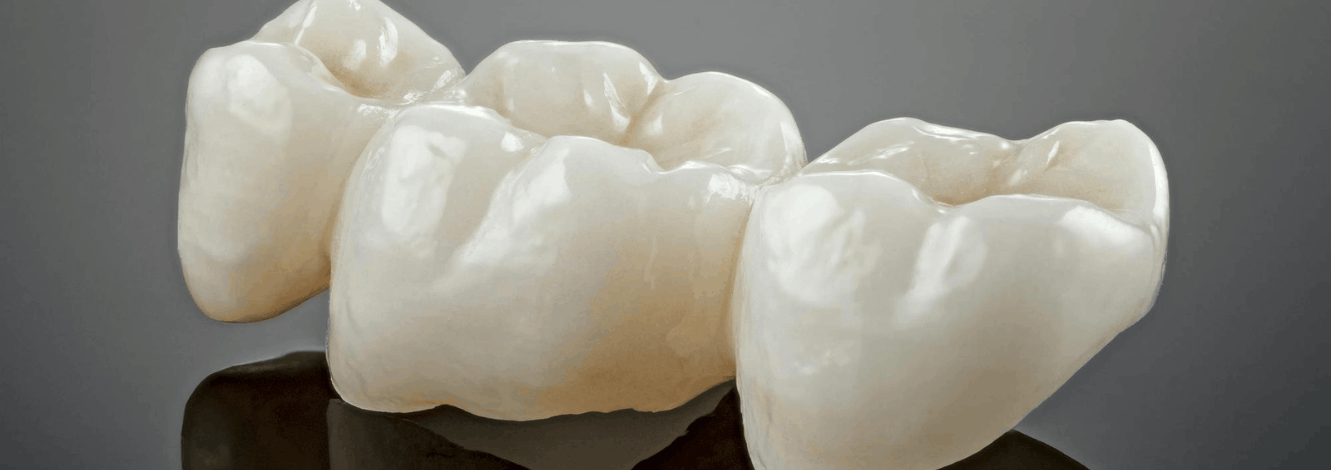
Have you noticed your dental crown moving slightly while chewing food? Or does it feel different when you bite down? A crown is placed over a damaged or weakened tooth to protect it and help you chew comfortably. It is usually fixed in place, so you should not feel it moving during everyday activities.
However, a crown can become loose over time. This may happen because the cement holding it in place has weakened, the tooth underneath has developed a problem, or the crown has been damaged. Even if there is no pain, it is important to get it checked before the crown falls out or causes further discomfort.
Understanding why your crown feels loose can help you know what to do and when to seek treatment.
A dental crown may feel loose for several reasons. Here are some common causes:
Crowns are fixed over teeth using a special dental cement. Over time, this cement may weaken due to regular chewing, biting pressure or changes in the fit of the crown.
When this happens, the crown may start moving slightly while eating. You may also notice that food gets stuck around the crown more often.
Your dentist can check whether the crown is still in good condition and whether it can be fixed back in place.
A crown covers the visible part of a tooth, but the natural tooth underneath still needs proper care. If bacteria collect around the edges of the crown, tooth decay may develop.
As the tooth becomes weaker, the crown may no longer fit securely. You may notice a loose feeling, sensitivity or discomfort while chewing.
In such cases, your dentist needs to check the tooth before deciding how to treat the crown.
Sometimes, a crown may become loose because it does not fit the tooth properly. This can happen if the crown was not fitted correctly or if the shape of the tooth underneath has changed.
You may feel the crown moving when you chew or notice that your bite feels different.
A dentist can examine the crown and check whether it can be adjusted or needs replacement.
Do you grind your teeth while sleeping or clench your jaw during the day? These habits can put extra pressure on your teeth and dental crowns.
Over time, this pressure may loosen the crown or cause small cracks and damage. You may also experience jaw discomfort or feel pain while biting.
If teeth grinding is the cause, your dentist may suggest a night guard to protect your teeth while you sleep.
A dental crown can crack or chip due to biting hard foods, an injury or repeated pressure. Sometimes, the natural tooth underneath may also develop a crack.
You may notice discomfort while chewing, sensitivity or a rough edge around the crown.
A damaged crown may not stay in place properly. Your dentist will check the extent of the damage and suggest whether repair or Replacement is needed.
If your crown starts moving while eating, avoid chewing on that side until your dentist checks it. A few simple steps can help prevent further problems:
Try to arrange a dental appointment promptly, even if the crown is not causing pain. If you have severe pain, swelling or signs of infection, seek urgent dental care.
The treatment depends on why the crown has become loose and whether the tooth underneath is healthy. Your dentist will first examine the crown and the tooth to understand what has caused the problem.
Here are the possible treatment options:
If the crown is in good condition and the tooth underneath is healthy, your dentist may be able to clean it and fix it back in place using dental cement.
This is usually possible when the crown has become loose but has not suffered any damage.
If the crown is cracked, damaged or no longer fits properly, your dentist may recommend a new one. The old crown is removed, and the tooth is checked before preparing a replacement.
If decay is present, visit the Best dental clinic in Bandra to treat it before placing the new crown.
If the tooth under the crown has developed decay or another problem, it may need treatment first. Depending on how much damage has occurred, your dentist may recommend a filling or root canal treatment before placing a new crown.
The right Treatment depends on the condition of both the crown and the natural tooth.
Yes, a loose crown does not always need to be replaced.
If the crown is not cracked or damaged and the tooth underneath is healthy, your dentist may be able to fix it back in place. However, if the crown has become worn out, does not fit properly or the tooth underneath has developed decay, replacement may be a better option.
Your dentist will examine the area and explain whether the existing crown can be used again.
Although a crown can become loose over time, good daily care can help it last longer.
These habits can help you keep your crown in good condition and identify any problems early.
A crown that feels loose while eating should not be ignored, even if it does not cause pain. The problem may be as simple as weakened cement or may involve decay or damage to the tooth underneath. Getting it checked early can help you understand whether the crown can be fixed or needs replacement.
If you are experiencing a loose crown, a Dental Crown Specialist in Mumbai can examine the area and guide you on the right treatment. At 1 Stop Dental Clinic, patients considering Dental Crown Treatment in Bandra, Mumbai can discuss their concerns and suitable treatment options with the dental team.
Is your dental crown feeling loose while eating? Find out what could be causing it and how timely treatment at 1 Stop Dental Clinic, Bandra, can help restore its fit and function.
We understand just how closely connected oral health is to your overall health, confidence, and appearance, and we pride ourselves on cultivating a friendly, upbeat dental environment where you can always feel comfortable in our care.
2nd floor, 203/204/302, Kanaiya, 250, Linking Rd, opp. National College, Bandra West, Mumbai, Maharashtra 400050