
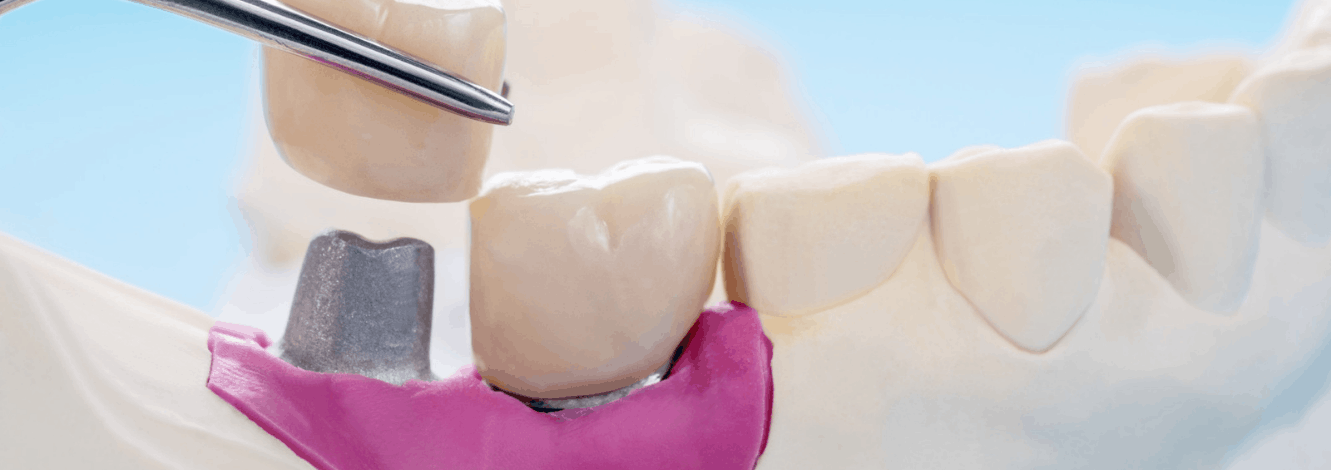
When a damaged or weakened tooth needs a crown, most patients want more than a restoration that simply covers it. They want the tooth to look natural when they smile and feel comfortable when they eat or speak. Questions about colour, shape, fit and comfort are therefore common before Dental Crown Treatment begins.
Modern dentistry uses improved restorative materials, digital scanning and detailed treatment planning to address these concerns. But technology is only one part of the process. The dentist also considers the condition of the tooth, surrounding teeth, gums, bite and overall smile before designing the restoration.
A dental crown is a custom-made restoration that covers a damaged or weakened tooth. It can restore the tooth’s shape, strength, function and appearance when a filling may not provide enough support.
A dentist may recommend Dental Crown Treatment for a tooth that has:
Before recommending a crown, the dentist examines the tooth and surrounding tissues. The restoration should support the tooth while fitting comfortably with the rest of the bite.
A natural-looking crown involves more than matching the colour of the neighbouring teeth. Its shape, proportions, surface characteristics and relationship with nearby teeth all influence the final appearance. So, it is important to design the dental crown treatment plan carefully with the following parameters.
Natural teeth contain subtle variations in colour and translucency. They do not usually appear as a completely uniform shade.
Modern ceramic materials can reproduce some of these visual qualities. The dentist and dental laboratory consider the colour of the surrounding teeth when selecting and customising the restoration.
This helps Natural-looking dental crowns blend more naturally instead of appearing noticeably different from adjacent teeth.
The crown needs to suit the size and shape of the tooth being restored. Its length, width, contours and position can all affect the appearance of the smile.
For a front tooth, even a small difference in proportion may become noticeable when a person smiles. The dentist therefore considers neighbouring teeth and the overall smile rather than designing the crown in isolation.
Natural enamel has subtle surface characteristics that influence how it reflects light. A restoration with completely uniform contours may look less lifelike.
The crown can be shaped and finished to create surface characteristics that complement the surrounding teeth.
The design process usually begins with an examination and treatment plan. The dentist assesses the damaged tooth, neighbouring teeth, gums and bite before deciding how the restoration should be made.
Digital scanning can provide a detailed record of the teeth and surrounding structures. Instead of relying solely on traditional physical impressions, an intraoral scanner can create a digital model that the dental team can use during the dental crown treatment.
Digital records can help with:
Supporting the design of the restoration
Appearance matters, but comfort and function are equally important in dental crown treatment. A crown should fit within the patient’s bite without feeling unnecessarily high or interfering with normal chewing.
The dentist checks how the upper and lower teeth meet and considers the available space before final placement. The contact between the crown and neighbouring teeth also needs careful attention.
After placement, some temporary sensitivity may occur. However, persistent pain, discomfort when biting or a feeling that the crown is too high should be assessed by a dentist.
A crown also requires normal oral hygiene. Brushing, cleaning between the teeth and regular dental examinations remain important after dental implant treatment because the surrounding gums and natural tooth structure still need protection.
The choice of crown material depends on the tooth’s location, remaining structure, bite forces, aesthetic requirements and overall oral health.
Common options include:
There is no single crown material that suits every patient. Before starting the dental crown treatment, a dentist can explain the advantages and limitations of each suitable option after examining the tooth.
The exact process varies from patient to patient, but Dental Crown Treatment generally involves several stages.
The dentist evaluates the tooth, gums, bite and surrounding teeth. Digital scans or other diagnostic records may be taken when appropriate.
The tooth is carefully shaped to create space for the crown while preserving as much healthy tooth structure as possible.
The prepared tooth is recorded using a digital scan or conventional impression, depending on the case and available workflow.
The dental laboratory creates the restoration according to the required shape, shade, dimensions and functional requirements.
The dentist checks the crown’s fit, appearance, contacts and bite before permanently placing it. Minor adjustments may be necessary to achieve a comfortable fit.
The lifespan of a crown varies. Factors such as the material, bite forces, oral hygiene, condition of the supporting tooth and regular dental care can influence how long it remains functional.
A crown should not automatically be considered a lifetime restoration. Good oral hygiene and routine dental examinations after the dental crown treatment can help to identify problems early and support the longevity of the restoration.
Patients can also protect their crowns by avoiding habits such as chewing hard objects and following their dentist’s recommendations, particularly if they grind or clench their teeth.
A successful restoration starts with the right diagnosis. The dentist should determine why the tooth needs treatment and whether a crown is the most suitable option.
During a consultation, patients can ask about:
This is particularly important because a crown may not be the right choice for every damaged tooth. The dentist needs to consider the amount of healthy tooth structure remaining and the overall condition of the mouth.
For patients considering Dental crown treatment in Bandra, an in-person assessment can help determine whether a crown is appropriate and which restoration may suit their functional and aesthetic needs. Patients looking for restorative care at a Dental Clinic in Bandra, Mumbai can discuss these factors with a dental professional before proceeding.
Modern Dental Crown Treatment combines careful clinical assessment with improved materials and digital techniques to create restorations that can look natural and function comfortably.
The most natural result does not come from technology alone. Tooth preparation, crown design, shade selection, bite, surrounding teeth and professional judgement all contribute to the final restoration.
At 1 Stop Dental Clinic, patients can discuss their restorative concerns and learn which crown options may suit their tooth, oral health and smile. A personalised assessment can help determine the appropriate approach rather than choosing a restoration based only on appearance or material.
Explore how modern dental crowns combine advanced technology and personalised design to restore your smile with a natural-looking appearance, comfortable fit, and confident function.
We understand just how closely connected oral health is to your overall health, confidence, and appearance, and we pride ourselves on cultivating a friendly, upbeat dental environment where you can always feel comfortable in our care.
2nd floor, 203/204/302, Kanaiya, 250, Linking Rd, opp. National College, Bandra West, Mumbai, Maharashtra 400050